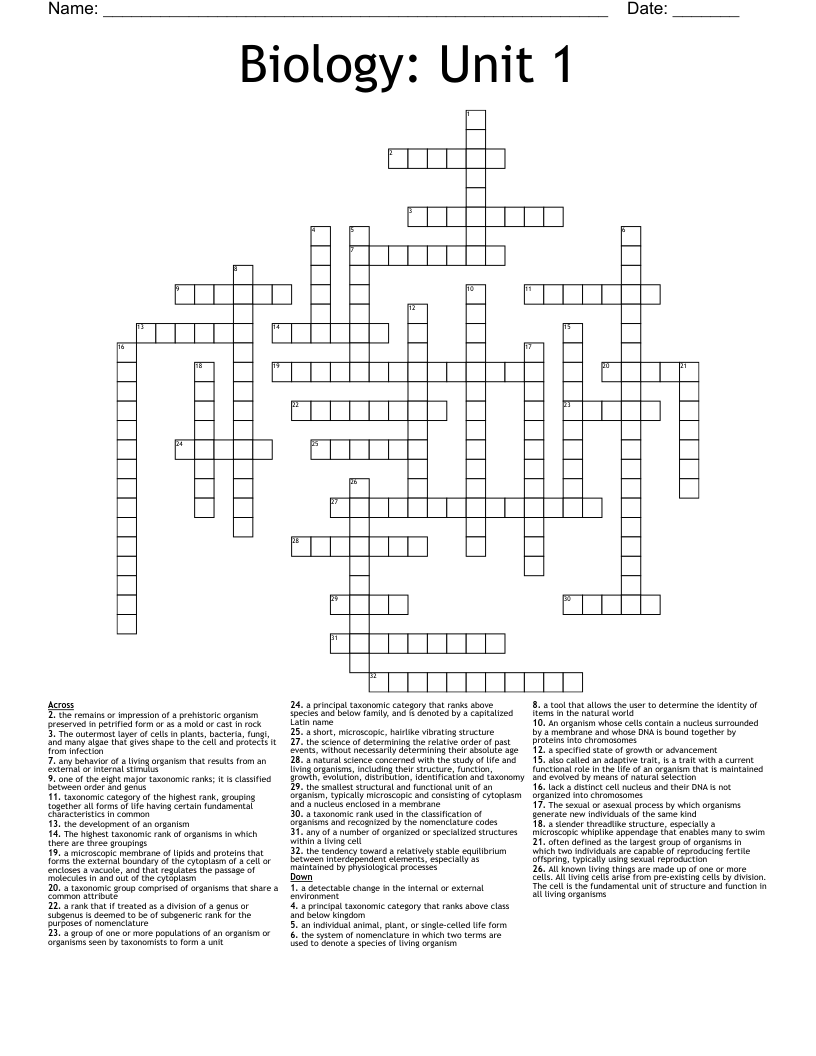
Biology: Unit 1 Crossword
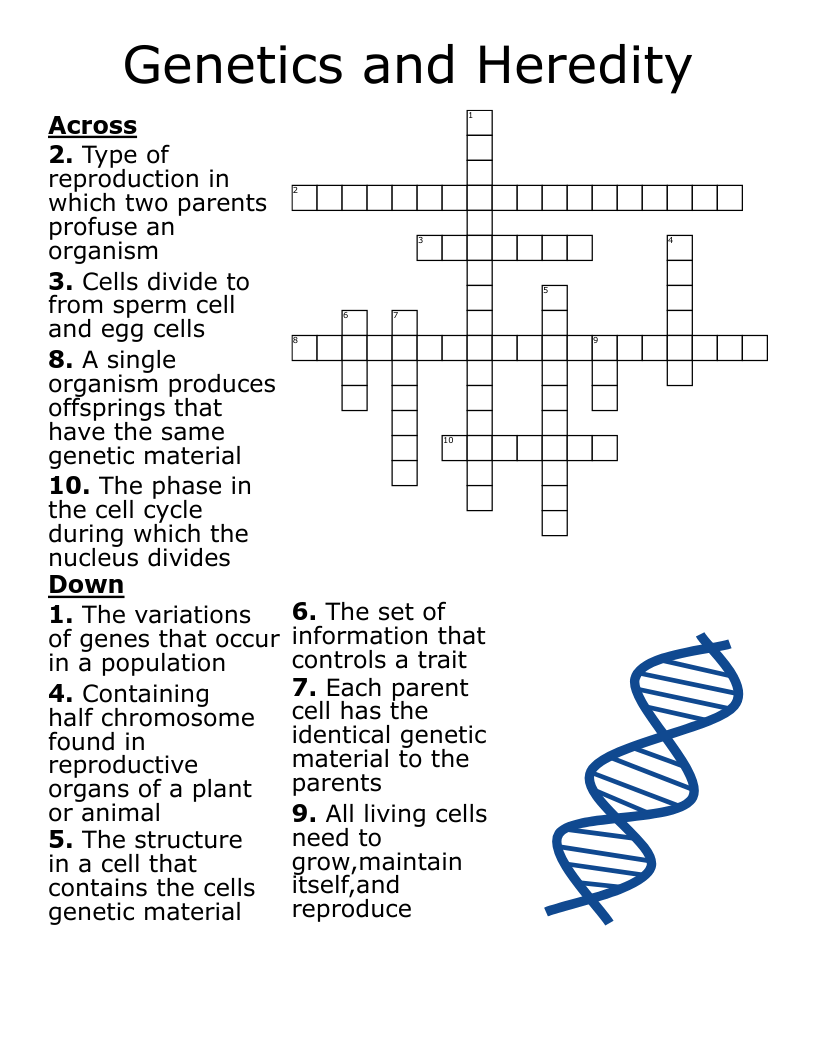
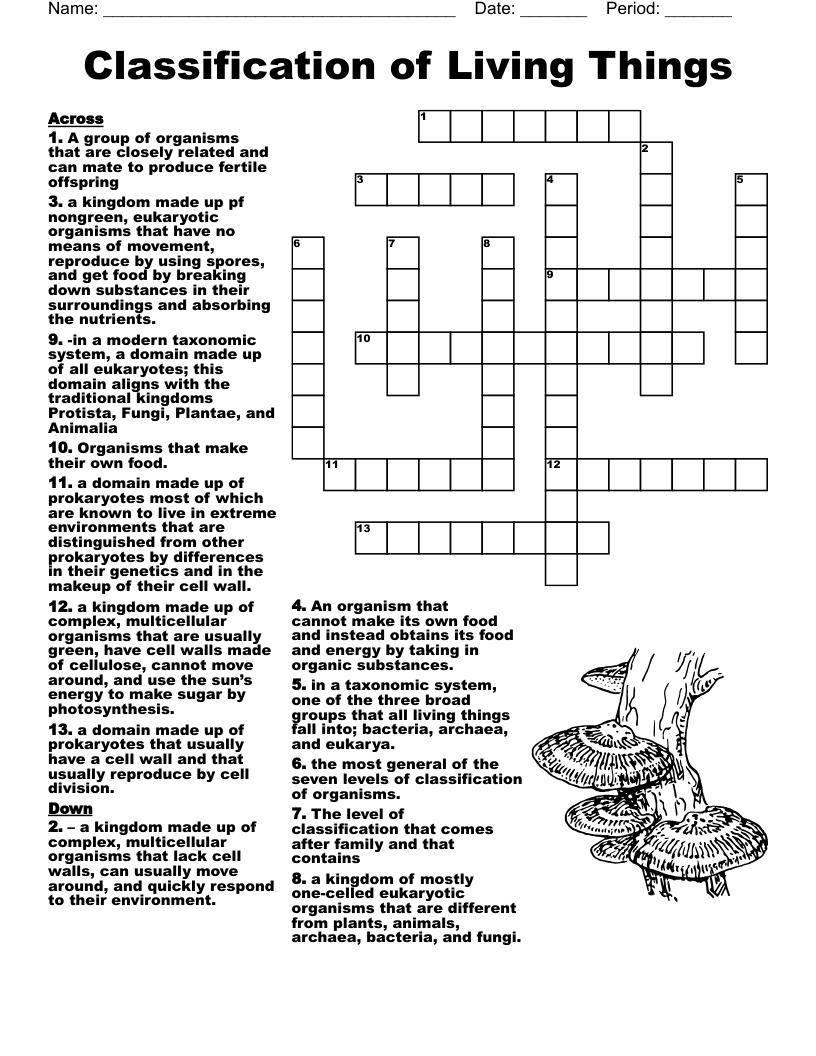
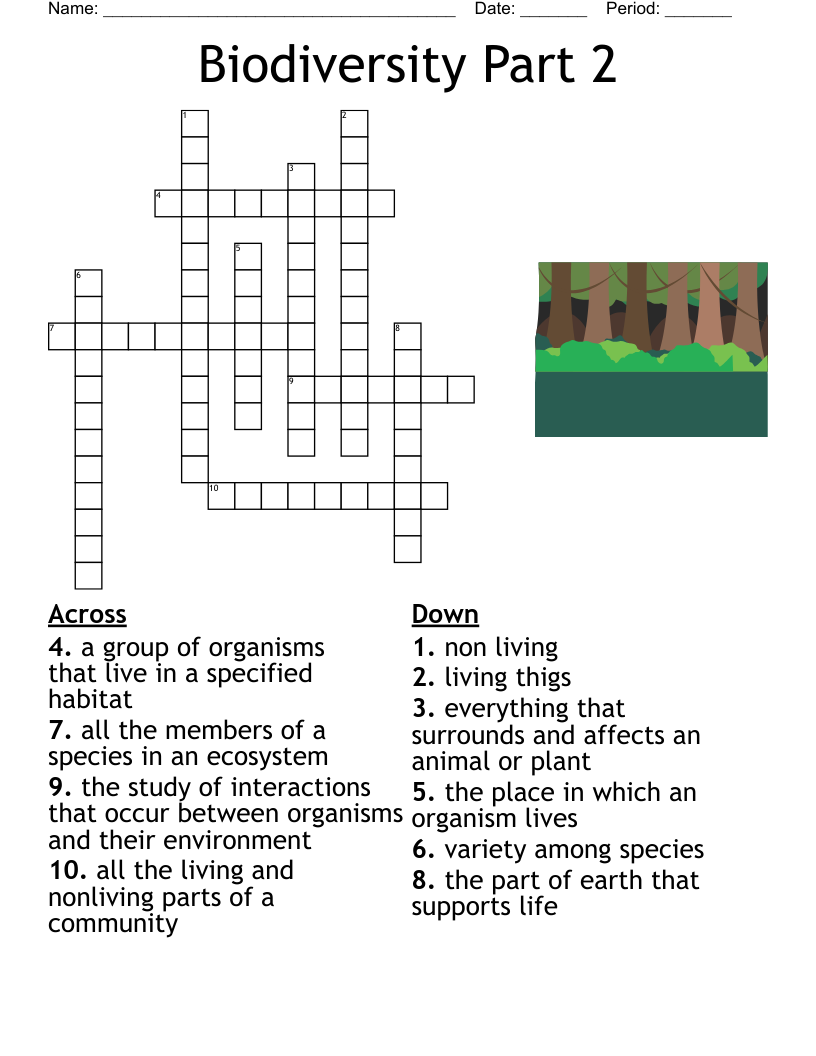
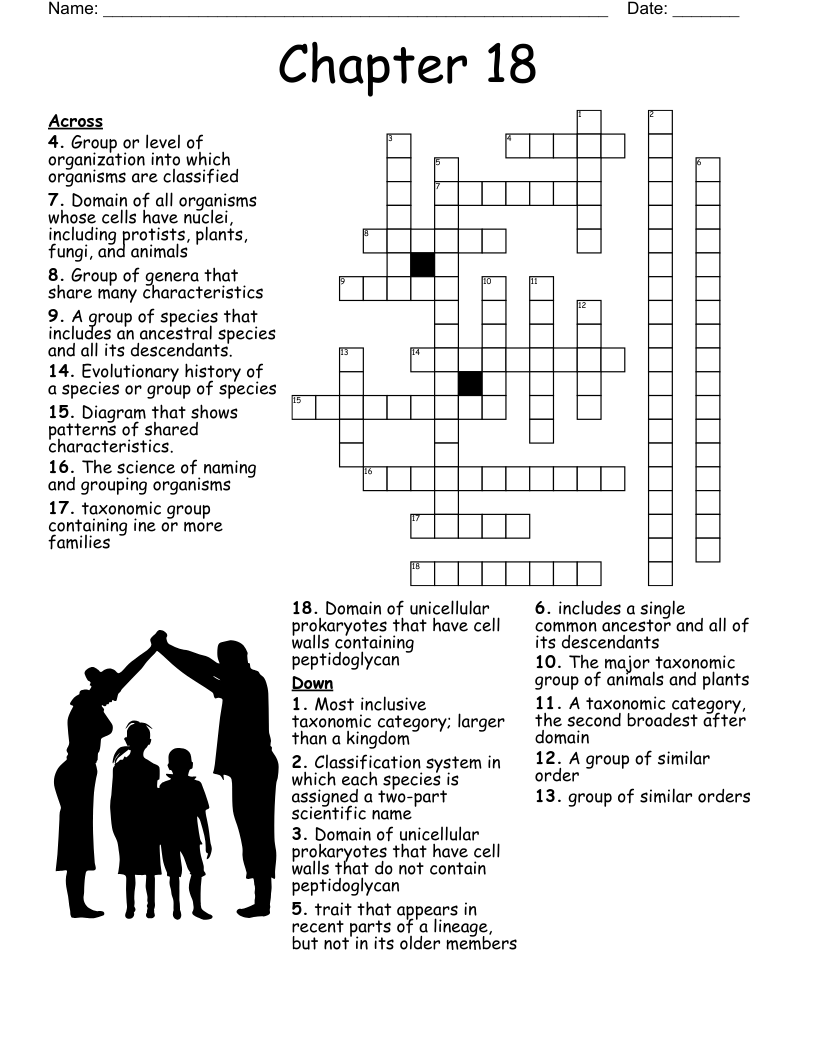
This printable crossword puzzle on the topic of Ecology & Evolution has 32 clues. Answers range from 4 to 20 letters long. This crossword is also available to download as a Microsoft Word document or a PDF.
Description
The sexual or asexual process by which organisms generate new individuals of the same kind
a natural science concerned with the study of life and living organisms, including their structure, function, growth, evolution, distribution, identification and taxonomy
an individual animal, plant, or single-celled life form
the development of an organism
a specified state of growth or advancement
often defined as the largest group of organisms in which two individuals are capable of reproducing fertile offspring, typically using sexual reproduction
a detectable change in the internal or external environment
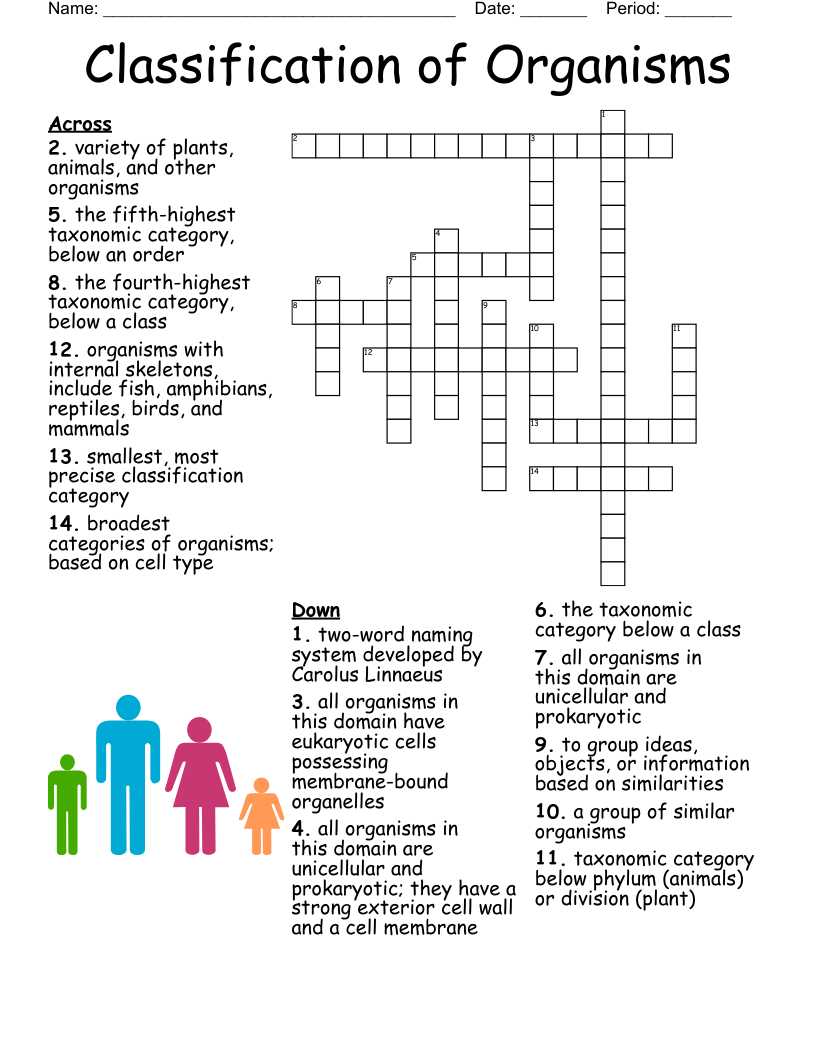
taxonomic category of the highest rank, grouping together all forms of life having certain fundamental characteristics in common
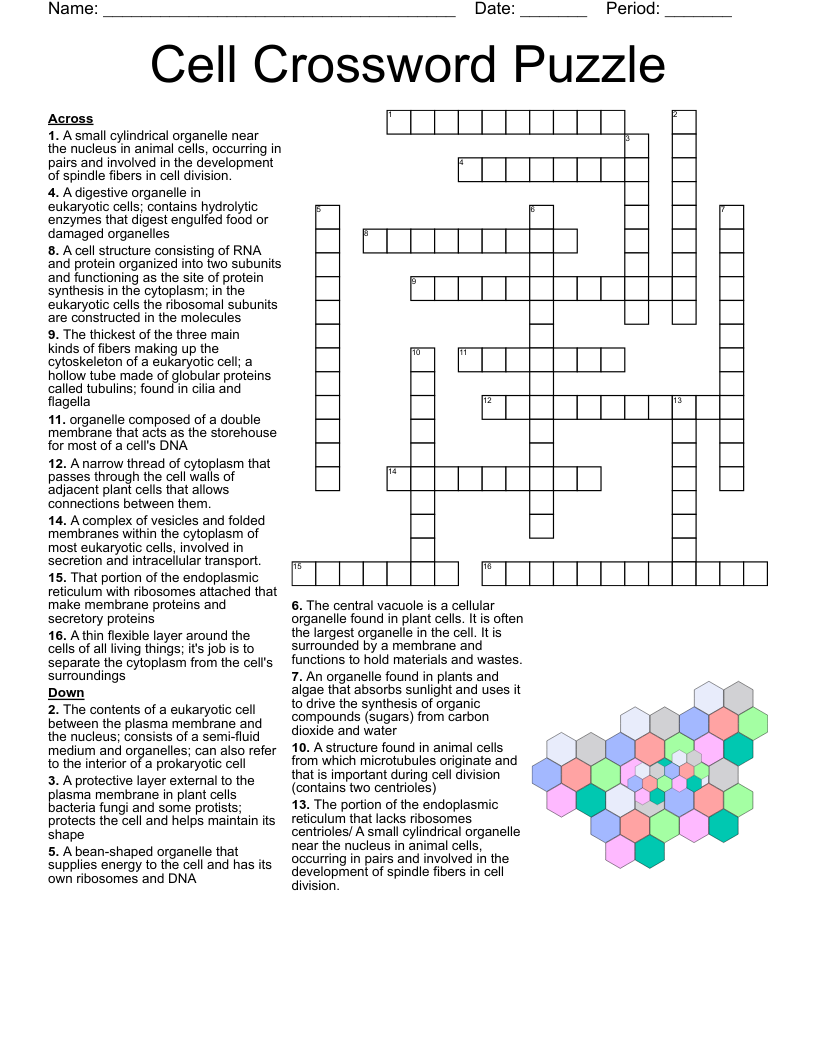
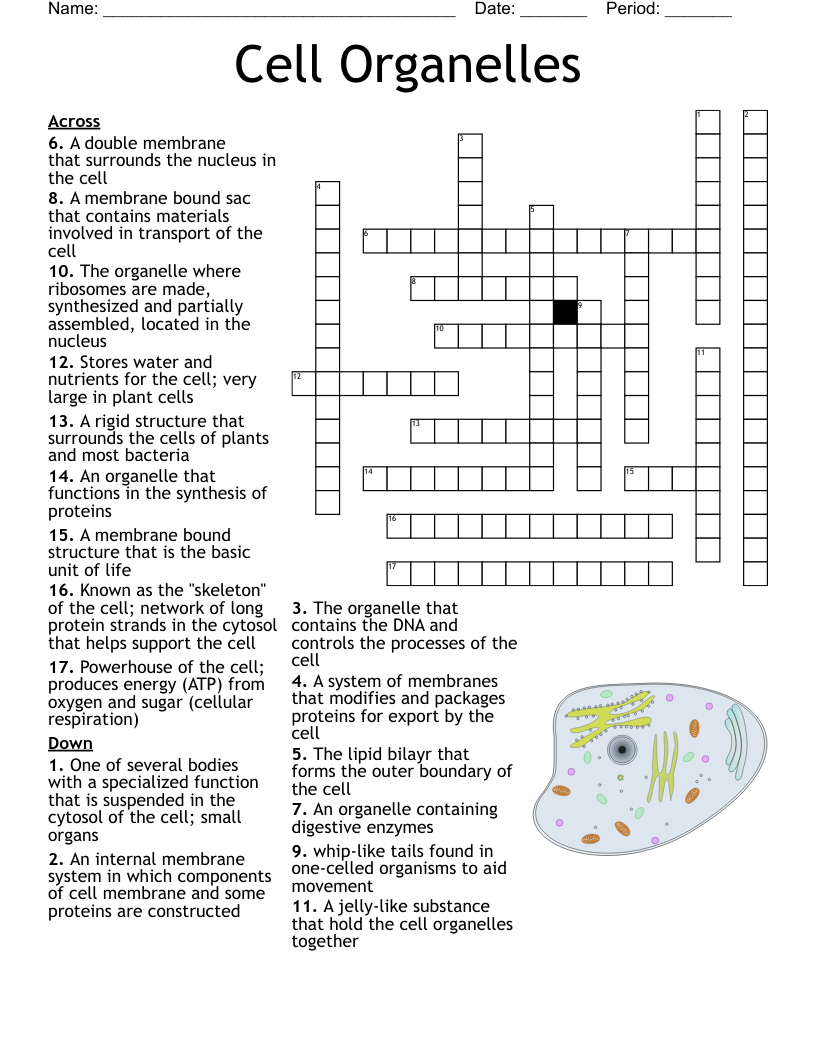
The outermost layer of cells in plants, bacteria, fungi, and many algae that gives shape to the cell and protects it from infection
a short, microscopic, hairlike vibrating structure
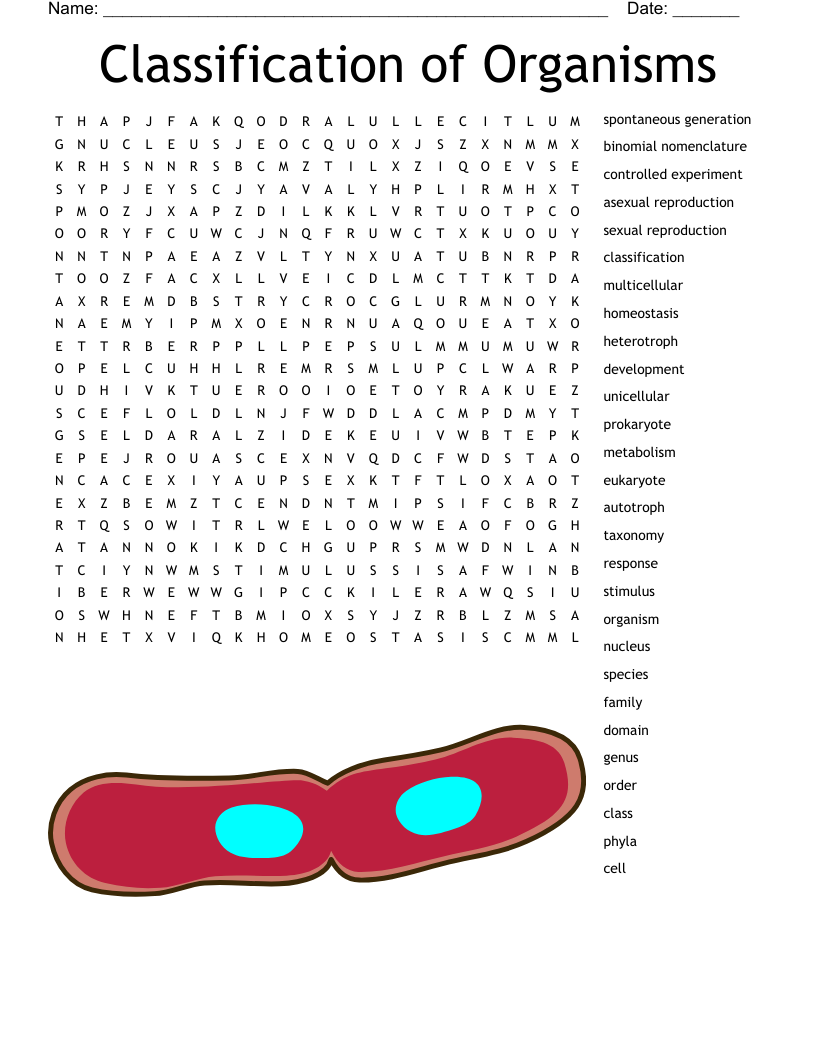
the system of nomenclature in which two terms are used to denote a species of living organism
a group of one or more populations of an organism or organisms seen by taxonomists to form a unit
a principal taxonomic category that ranks above species and below family, and is denoted by a capitalized Latin name
one of the eight major taxonomic ranks; it is classified between order and genus
a taxonomic rank used in the classification of organisms and recognized by the nomenclature codes
a taxonomic group comprised of organisms that share a common attribute
a principal taxonomic category that ranks above class and below kingdom
a rank that if treated as a division of a genus or subgenus is deemed to be of subgeneric rank for the purposes of nomenclature
a slender threadlike structure, especially a microscopic whiplike appendage that enables many to swim
any behavior of a living organism that results from an external or internal stimulus
the tendency toward a relatively stable equilibrium between interdependent elements, especially as maintained by physiological processes
also called an adaptive trait, is a trait with a current functional role in the life of an organism that is maintained and evolved by means of natural selection
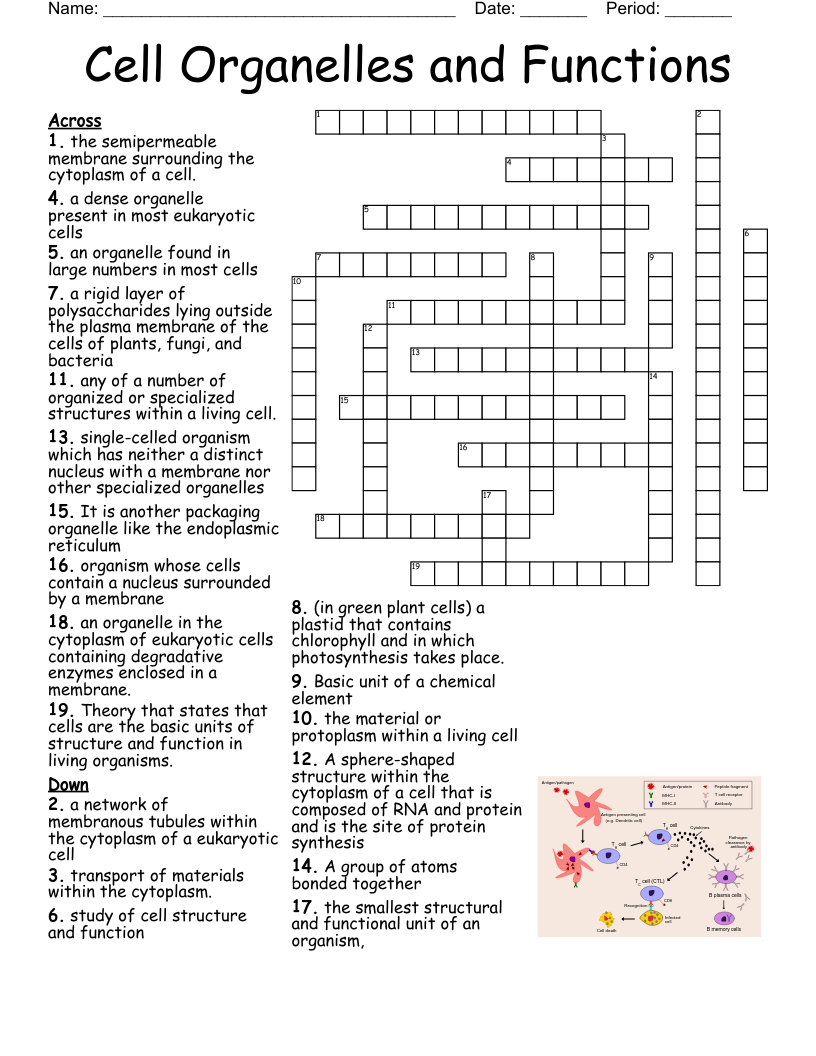
the smallest structural and functional unit of an organism, typically microscopic and consisting of cytoplasm and a nucleus enclosed in a membrane
All known living things are made up of one or more cells. All living cells arise from pre-existing cells by division. The cell is the fundamental unit of structure and function in all living organisms
a microscopic membrane of lipids and proteins that forms the external boundary of the cytoplasm of a cell or encloses a vacuole, and that regulates the passage of molecules in and out of the cytoplasm
any of a number of organized or specialized structures within a living cell
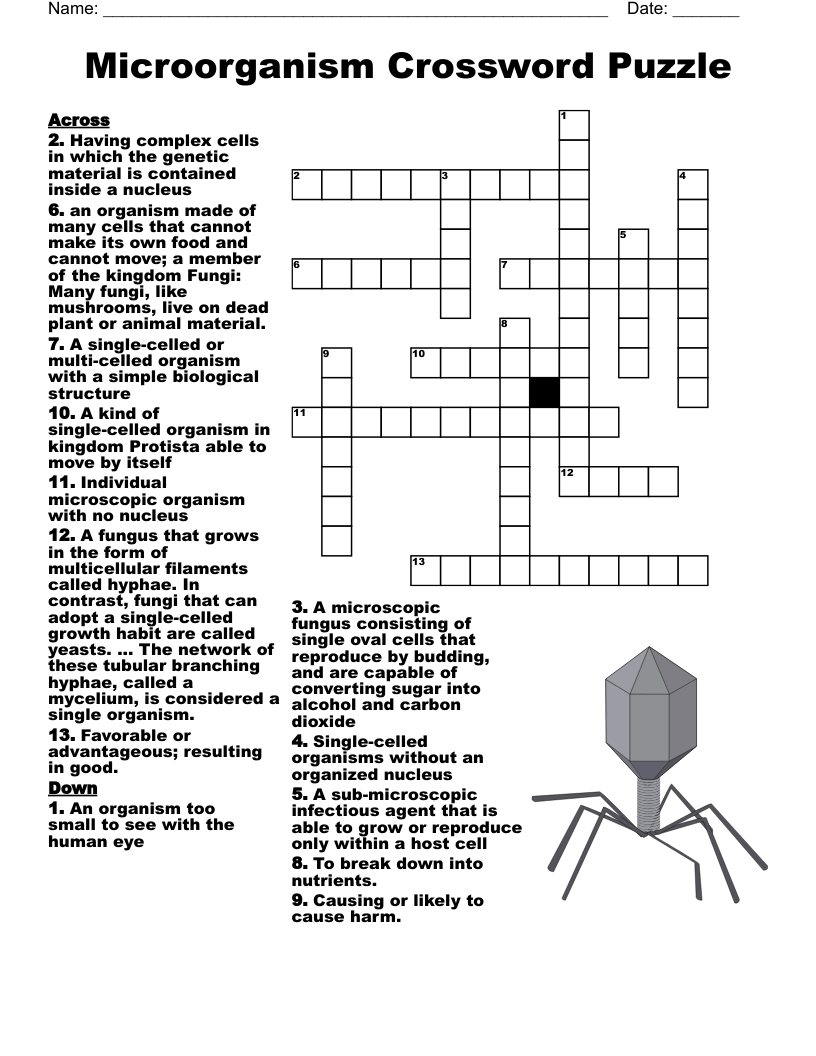
An organism whose cells contain a nucleus surrounded by a membrane and whose DNA is bound together by proteins into chromosomes
lack a distinct cell nucleus and their DNA is not organized into chromosomes
a tool that allows the user to determine the identity of items in the natural world
The highest taxonomic rank of organisms in which there are three groupings
the remains or impression of a prehistoric organism preserved in petrified form or as a mold or cast in rock
the science of determining the relative order of past events, without necessarily determining their absolute age