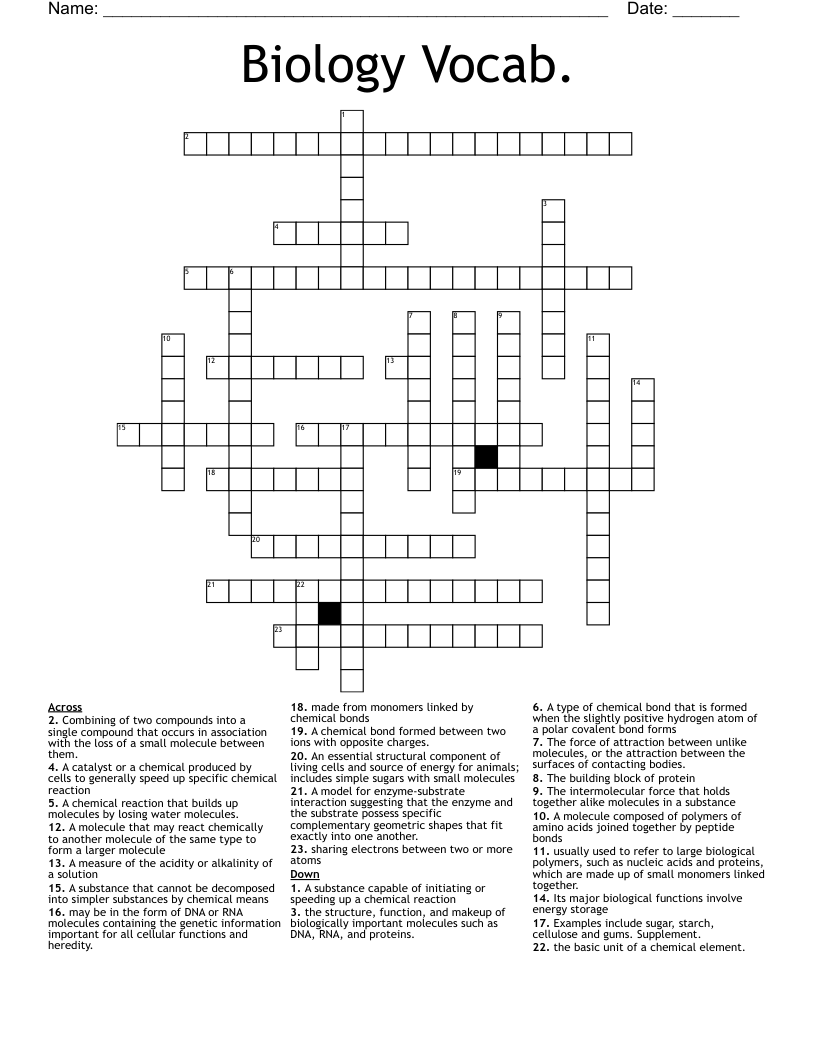
Biology Vocab. Crossword
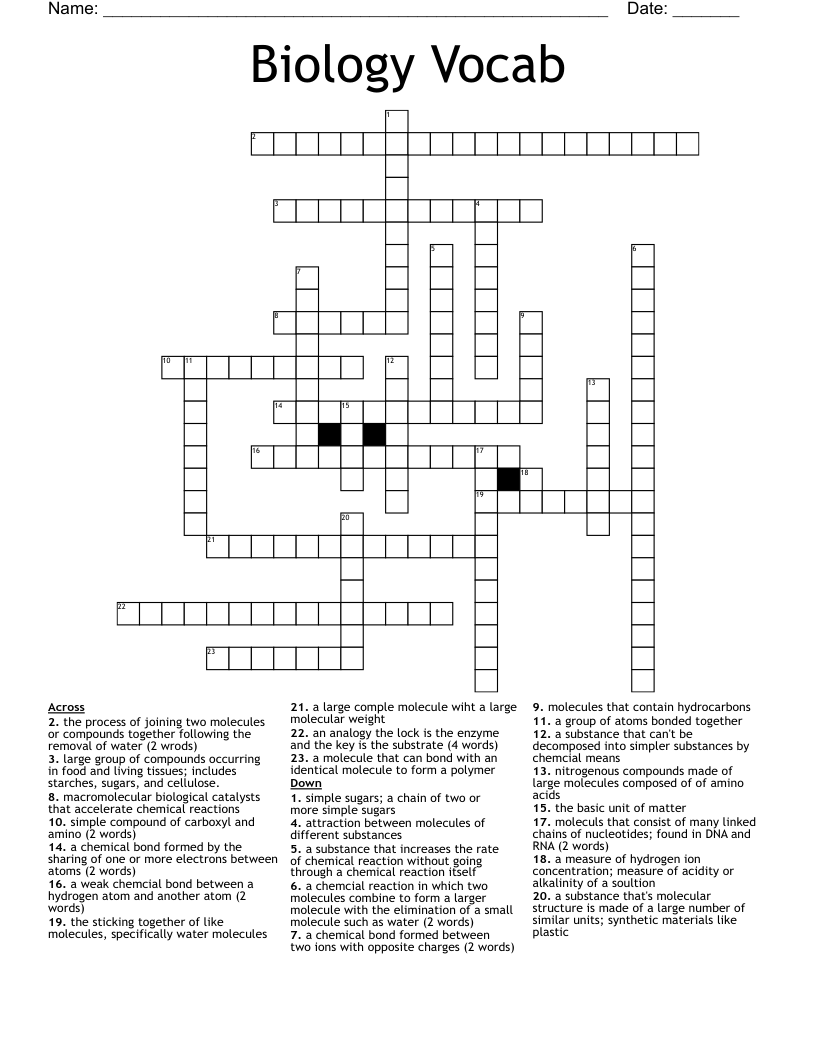
This printable crossword puzzle on the topic of Organic Chemistry & Biochemistry has 23 clues. Answers range from 2 to 20 letters long. This crossword is also available to download as a Microsoft Word document or a PDF.
Description
A substance capable of initiating or speeding up a chemical reaction
Examples include sugar, starch, cellulose and gums. Supplement.
made from monomers linked by chemical bonds
The building block of protein
The intermolecular force that holds together alike molecules in a substance
An essential structural component of living cells and source of energy for animals; includes simple sugars with small molecules
A catalyst or a chemical produced by cells to generally speed up specific chemical reaction
the structure, function, and makeup of biologically important molecules such as DNA, RNA, and proteins.
the basic unit of a chemical element.
A type of chemical bond that is formed when the slightly positive hydrogen atom of a polar covalent bond forms
may be in the form of DNA or RNA molecules containing the genetic information important for all cellular functions and heredity.
usually used to refer to large biological polymers, such as nucleic acids and proteins, which are made up of small monomers linked together.
Its major biological functions involve energy storage
The force of attraction between unlike molecules, or the attraction between the surfaces of contacting bodies.
A molecule that may react chemically to another molecule of the same type to form a larger molecule
A model for enzyme-substrate interaction suggesting that the enzyme and the substrate possess specific complementary geometric shapes that fit exactly into one another.
A molecule composed of polymers of amino acids joined together by peptide bonds
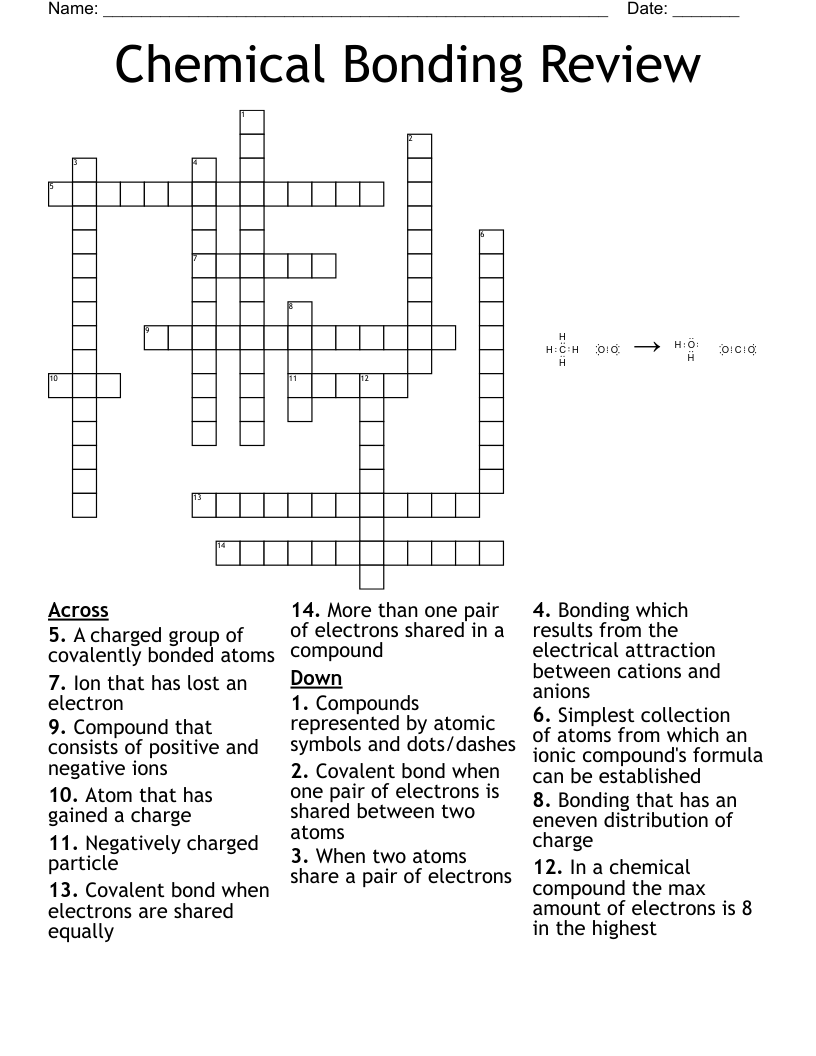
A chemical bond formed between two ions with opposite charges.
sharing electrons between two or more atoms
A substance that cannot be decomposed into simpler substances by chemical means
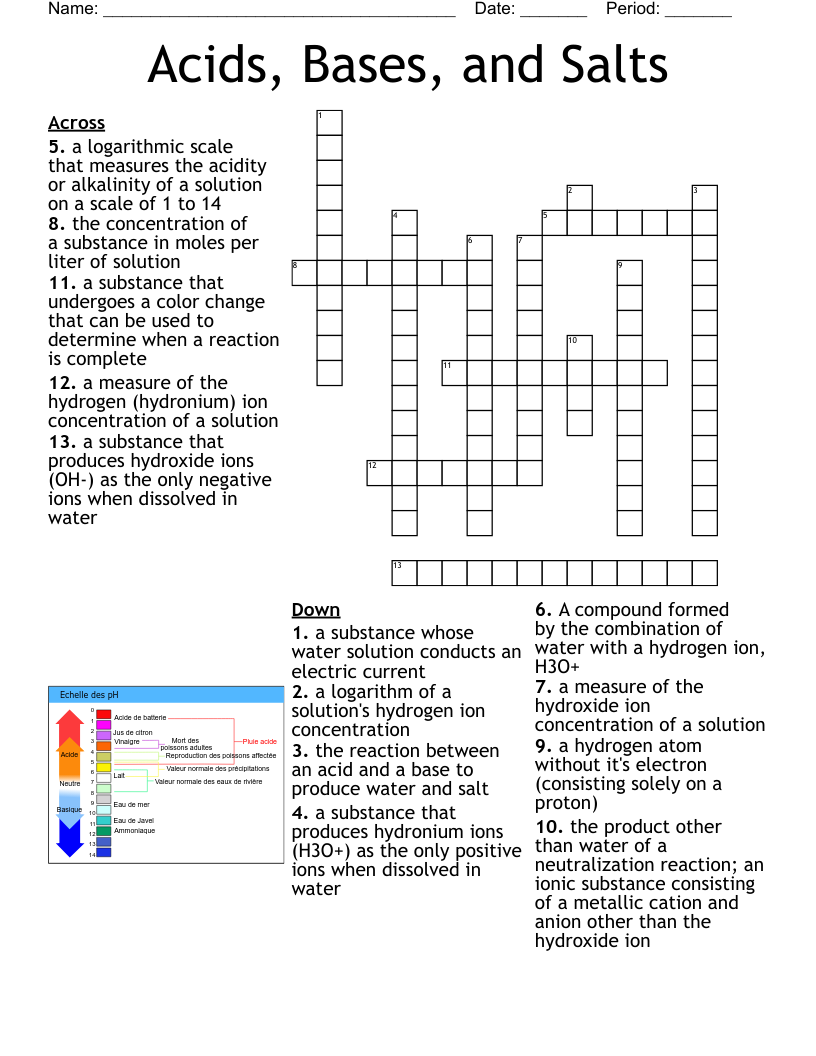
A measure of the acidity or alkalinity of a solution
A chemical reaction that builds up molecules by losing water molecules.
Combining of two compounds into a single compound that occurs in association with the loss of a small molecule between them.