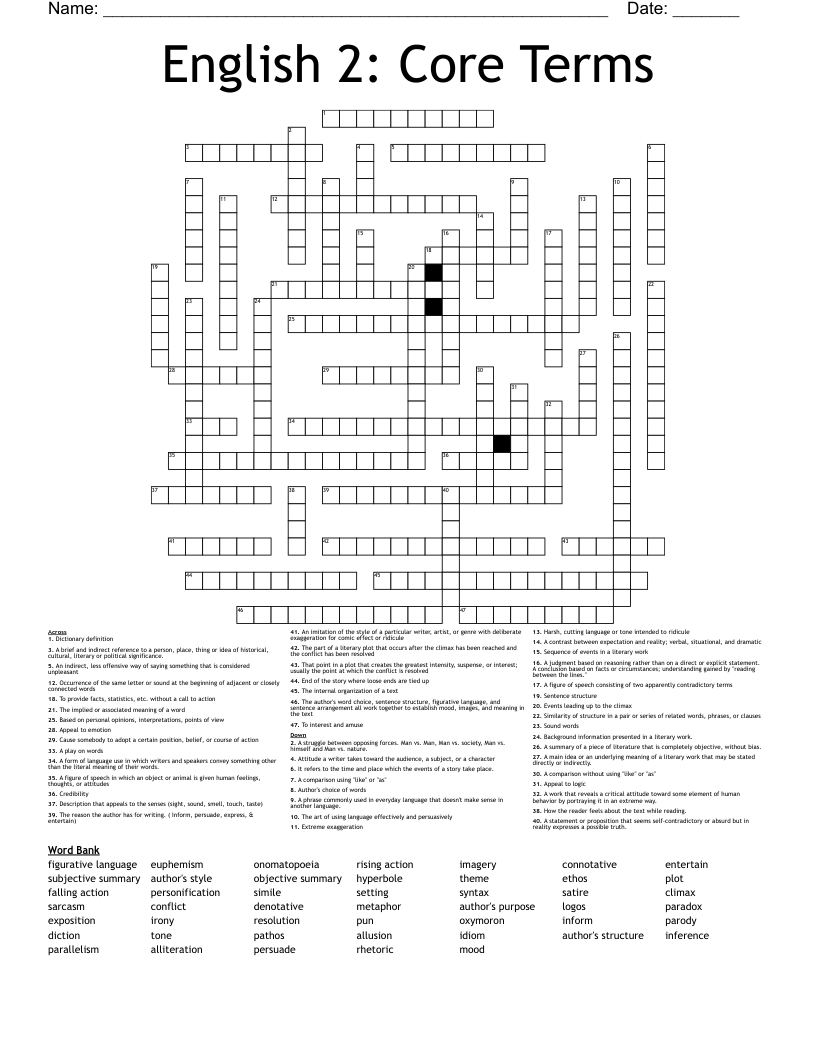
English 2: Core Terms Crossword
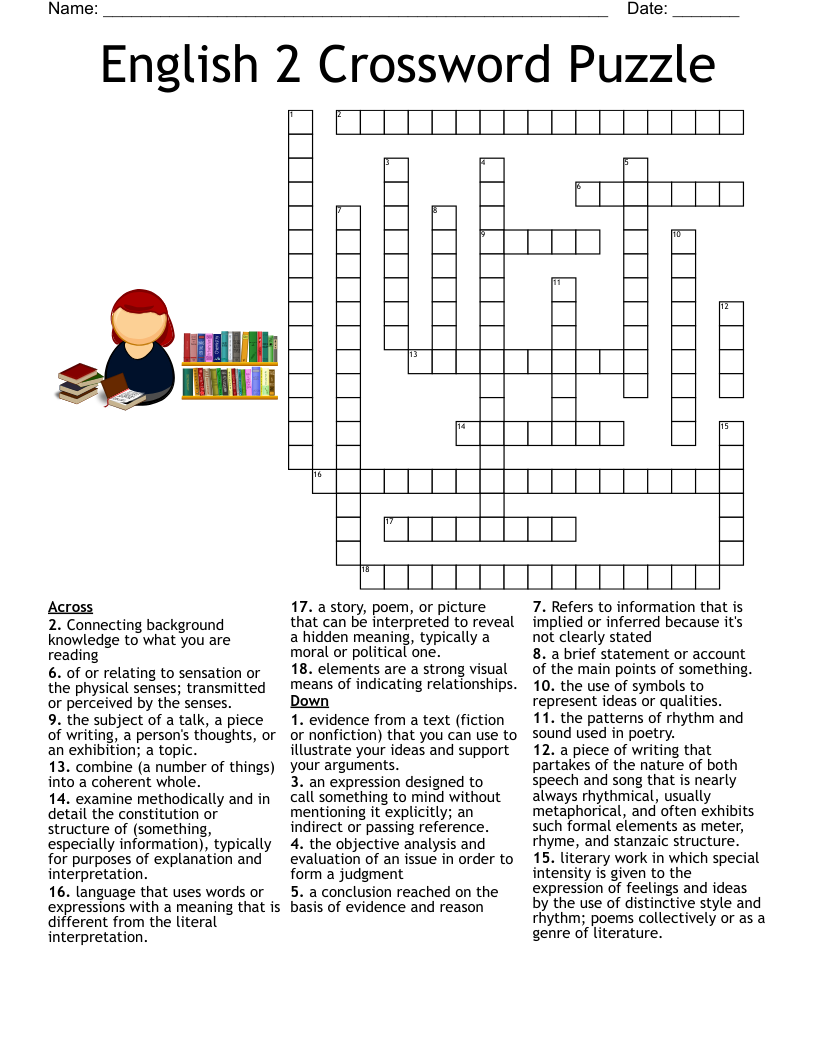
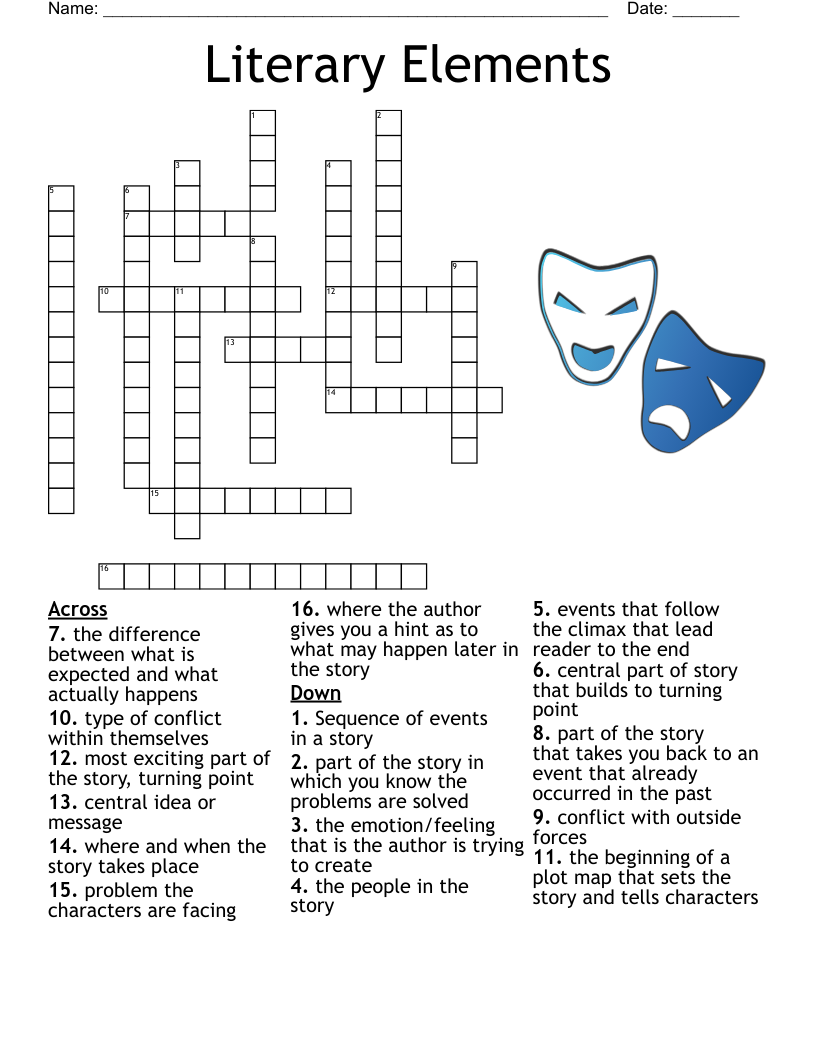
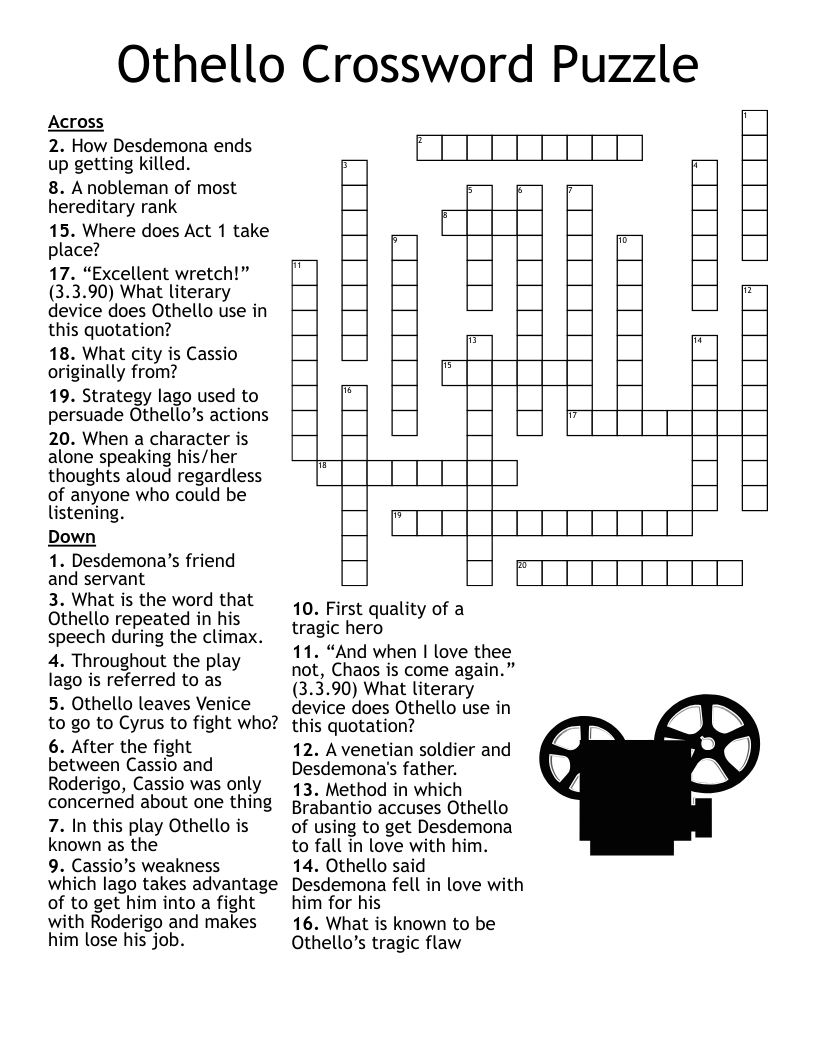
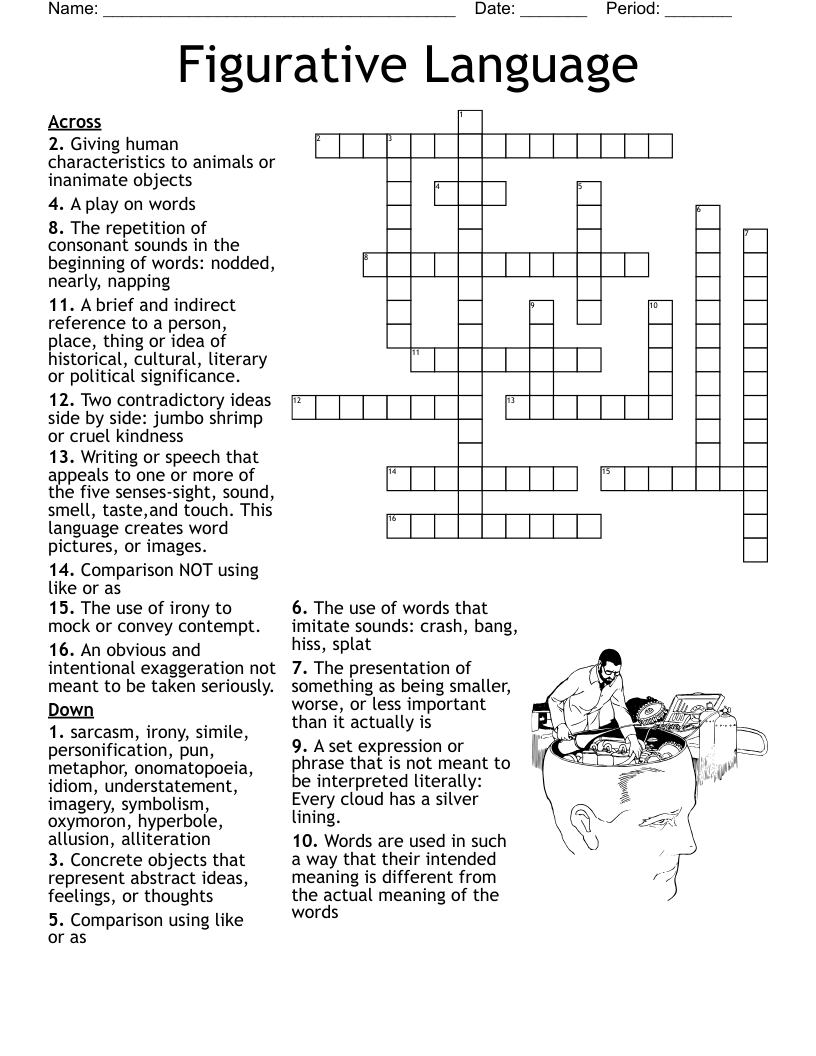
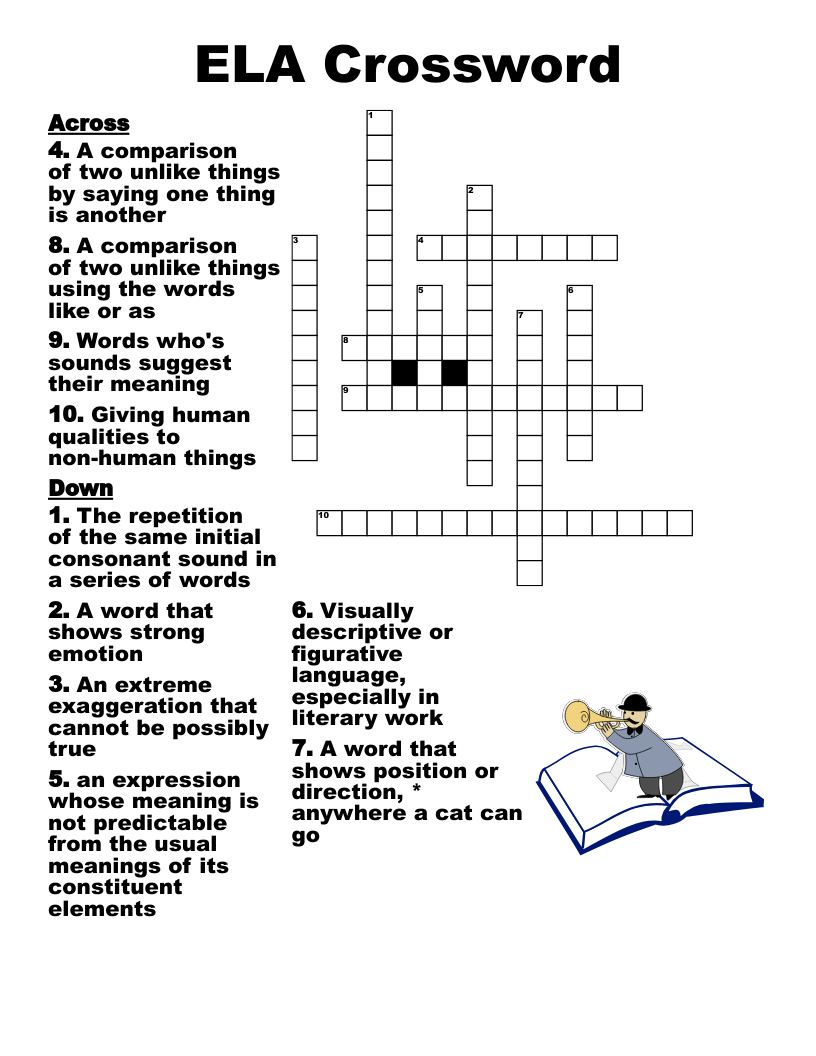
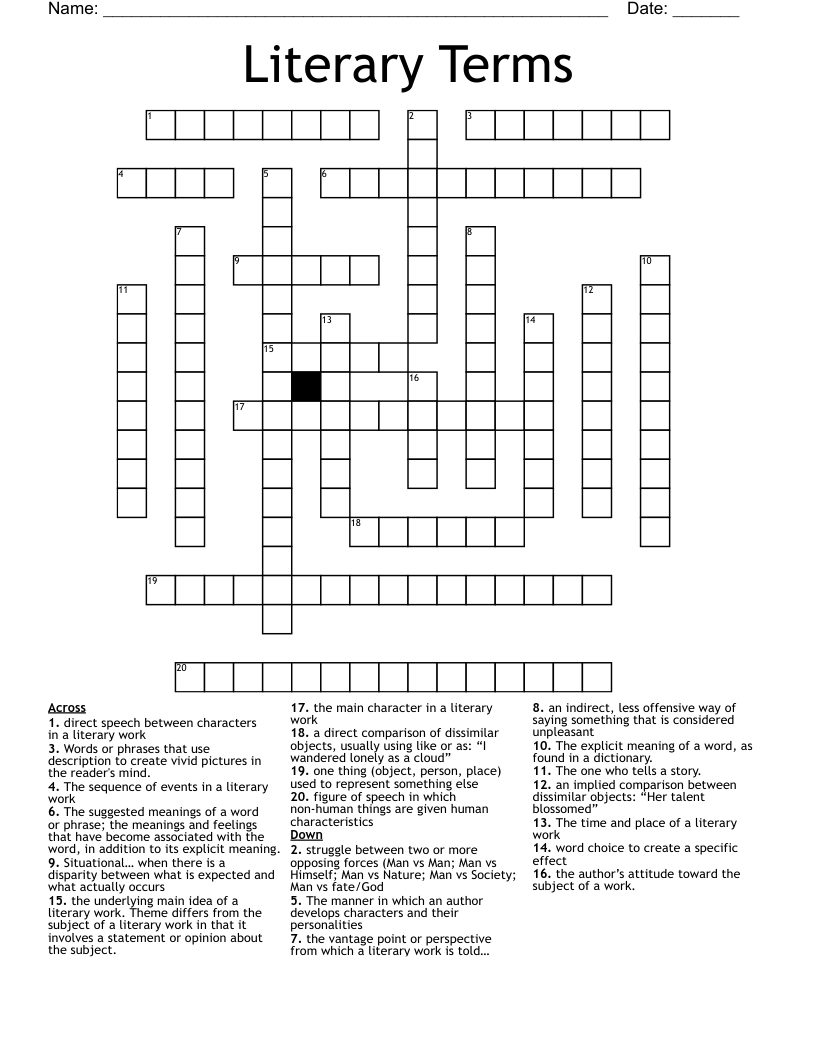
This printable crossword puzzle on the topic of Figurative Language & Literary Devices has 47 clues. Answers range from 3 to 18 letters long. This crossword is also available to download as a Microsoft Word document or a PDF.
Description
Appeal to logic
Credibility
Appeal to emotion
The art of using language effectively and persuasively
A figure of speech in which an object or animal is given human feelings, thoughts, or attitudes
A figure of speech consisting of two apparently contradictory terms
A statement or proposition that seems self-contradictory or absurd but in reality expresses a possible truth.
A play on words
Extreme exaggeration
A phrase commonly used in everyday language that doesn't make sense in another language.
Occurrence of the same letter or sound at the beginning of adjacent or closely connected words
An indirect, less offensive way of saying something that is considered unpleasant
Description that appeals to the senses (sight, sound, smell, touch, taste)
Sound words
A comparison without using "like" or "as"
A comparison using "like" or "as"
The internal organization of a text
Cause somebody to adopt a certain position, belief, or course of action
To provide facts, statistics, etc. without a call to action
To interest and amuse
Sentence structure
Similarity of structure in a pair or series of related words, phrases, or clauses
A judgment based on reasoning rather than on a direct or explicit statement. A conclusion based on facts or circumstances; understanding gained by "reading between the lines."
A form of language use in which writers and speakers convey something other than the literal meaning of their words.
Dictionary definition
The implied or associated meaning of a word
Author's choice of words
Attitude a writer takes toward the audience, a subject, or a character
A work that reveals a critical attitude toward some element of human behavior by portraying it in an extreme way.
A contrast between expectation and reality; verbal, situational, and dramatic
Harsh, cutting language or tone intended to ridicule
A summary of a piece of literature that is completely objective, without bias.
Based on personal opinions, interpretations, points of view
An imitation of the style of a particular writer, artist, or genre with deliberate exaggeration for comic effect or ridicule
The author's word choice, sentence structure, figurative language, and sentence arrangement all work together to establish mood, images, and meaning in the text
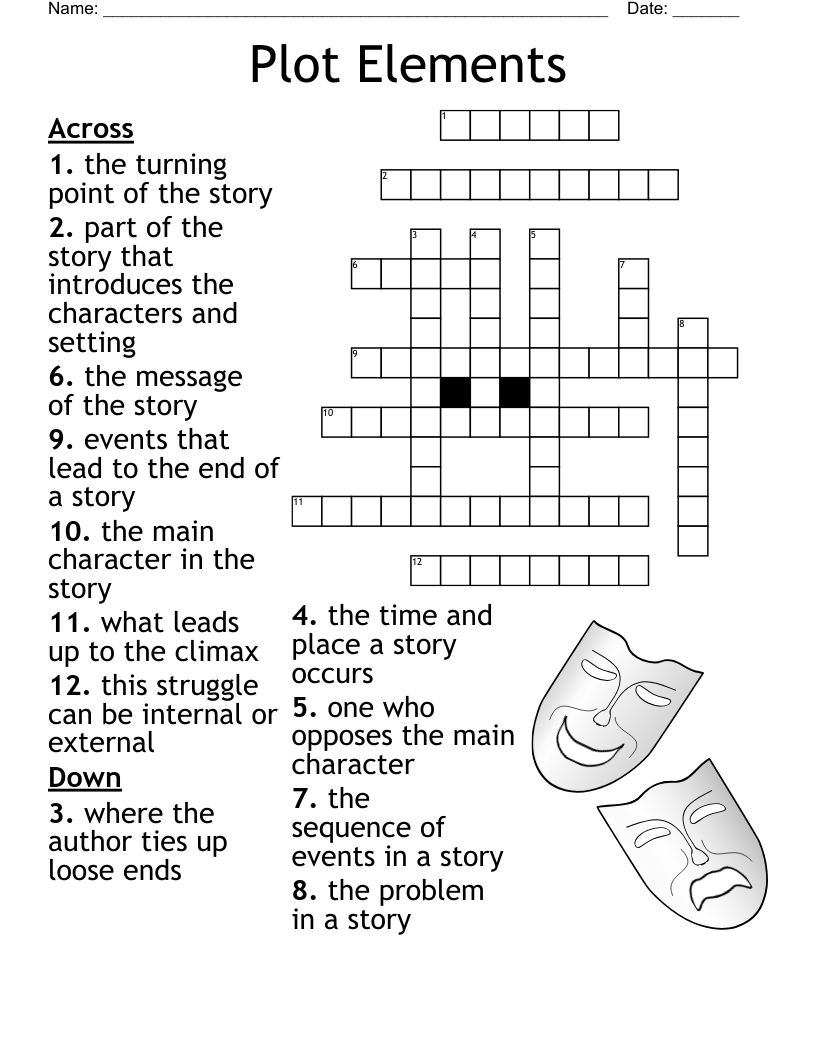
Sequence of events in a literary work
Background information presented in a literary work.
Events leading up to the climax
That point in a plot that creates the greatest intensity, suspense, or interest; usually the point at which the conflict is resolved
The part of a literary plot that occurs after the climax has been reached and the conflict has been resolved
End of the story where loose ends are tied up
How the reader feels about the text while reading.
A main idea or an underlying meaning of a literary work that may be stated directly or indirectly.
A struggle between opposing forces. Man vs. Man, Man vs. society, Man vs. himself and Man vs. nature.
It refers to the time and place which the events of a story take place.
The reason the author has for writing. ( Inform, persuade, express, & entertain)
A brief and indirect reference to a person, place, thing or idea of historical, cultural, literary or political significance.