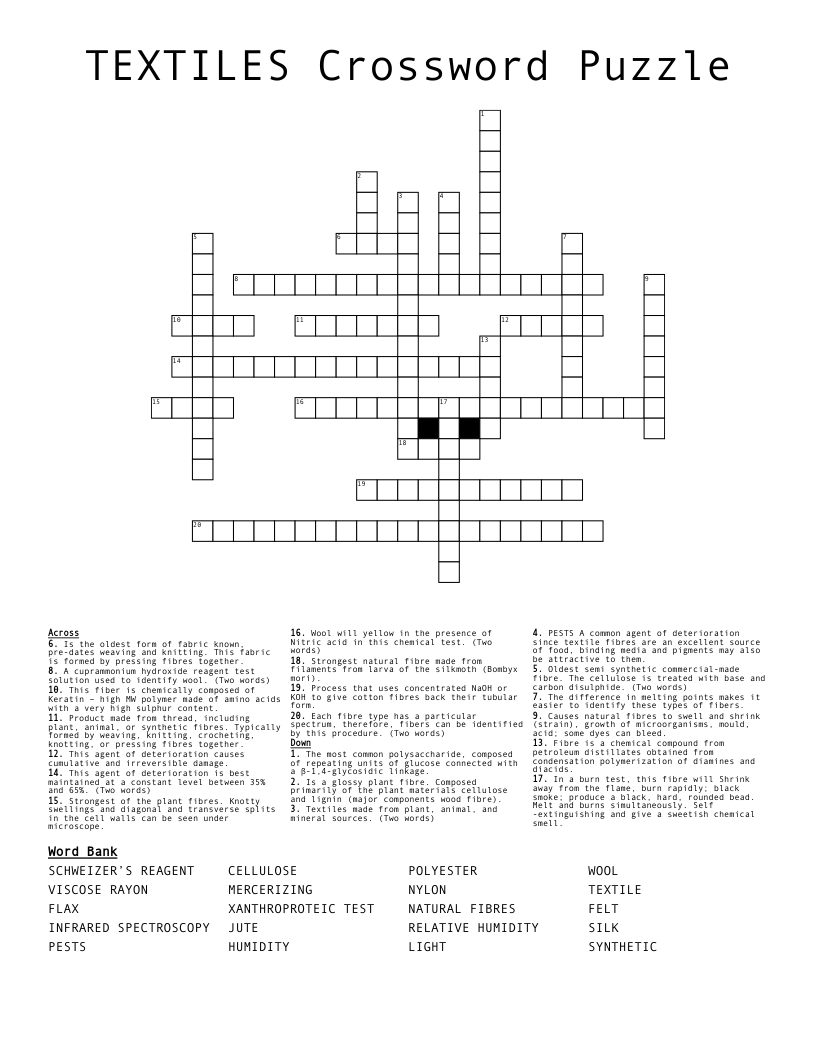
TEXTILES Crossword Puzzle
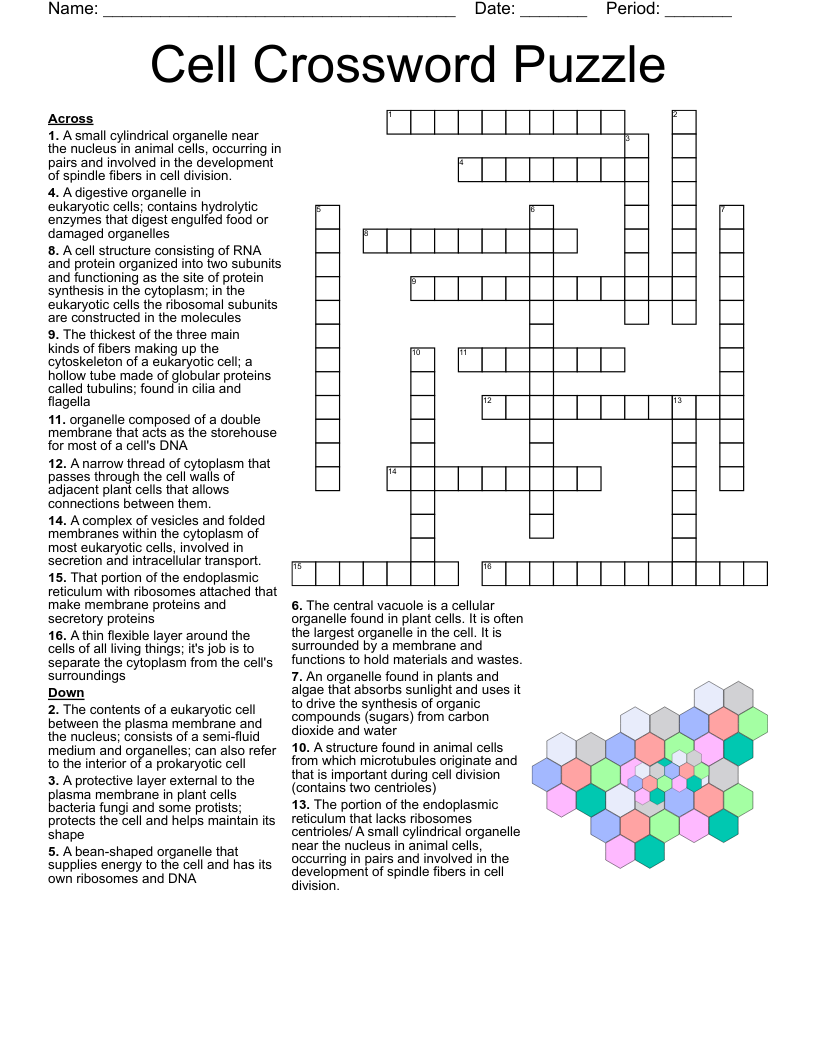
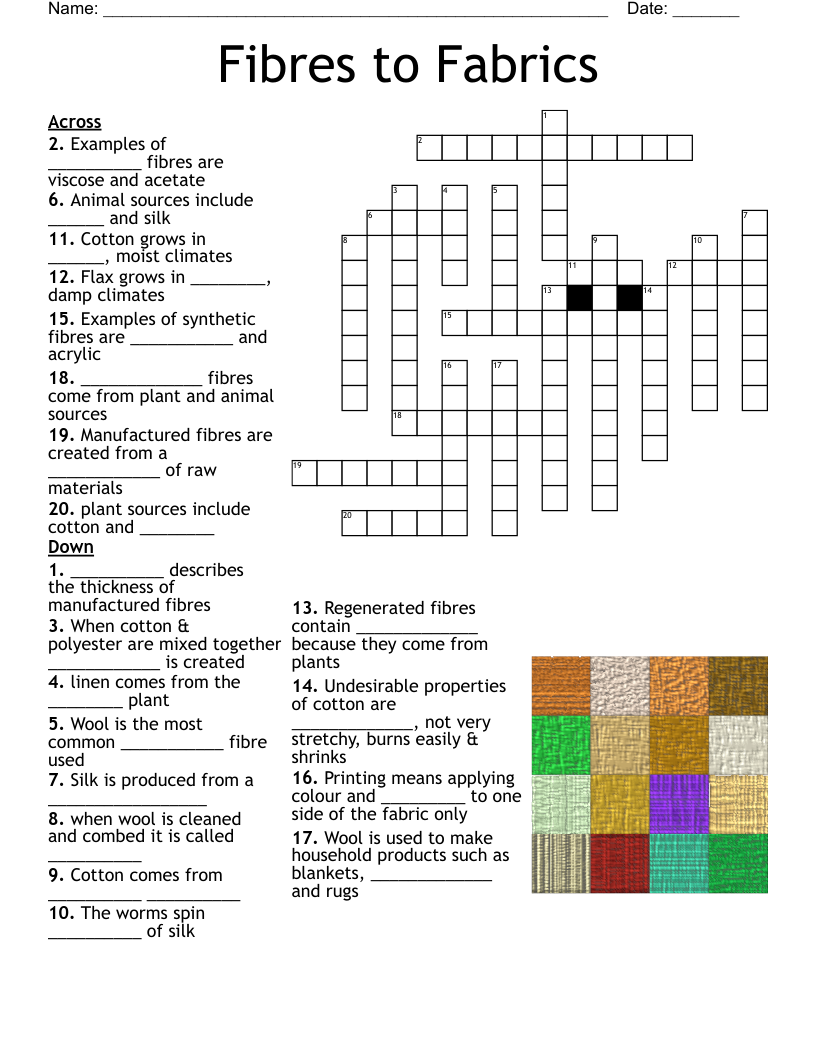
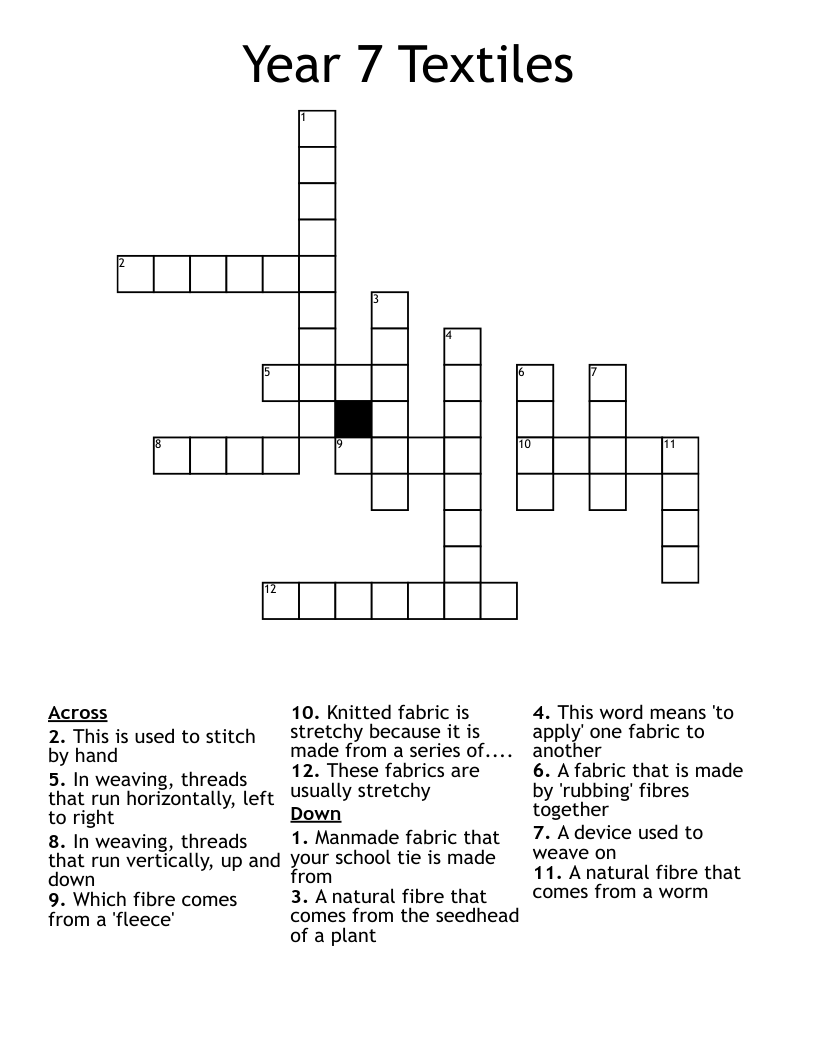
This printable crossword puzzle on the topic of Crafts & Sewing has 20 clues. Answers range from 4 to 20 letters long. This crossword is also available to download as a Microsoft Word document or a PDF.
Description
Product made from thread, including plant, animal, or synthetic fibres. Typically formed by weaving, knitting, crocheting, knotting, or pressing fibres together.
Textiles made from plant, animal, and mineral sources. (Two words)
Is the oldest form of fabric known, pre-dates weaving and knitting. This fabric is formed by pressing fibres together.
The most common polysaccharide, composed of repeating units of glucose connected with a β-1,4-glycosidic linkage.
This fiber is chemically composed of Keratin – high MW polymer made of amino acids with a very high sulphur content.
Strongest natural fibre made from filaments from larva of the silkmoth (Bombyx mori).
Process that uses concentrated NaOH or KOH to give cotton fibres back their tubular form.
Strongest of the plant fibres. Knotty swellings and diagonal and transverse splits in the cell walls can be seen under microscope.
Is a glossy plant fibre. Composed primarily of the plant materials cellulose and lignin (major components wood fibre).
Oldest semi synthetic commercial-made fibre. The cellulose is treated with base and carbon disulphide. (Two words)
Fibre is a chemical compound from petroleum distillates obtained from condensation polymerization of diamines and diacids.
A cuprammonium hydroxide reagent test solution used to identify wool. (Two words)
Wool will yellow in the presence of Nitric acid in this chemical test. (Two words)
Each fibre type has a particular spectrum, therefore, fibers can be identified by this procedure. (Two words)
The difference in melting points makes it easier to identify these types of fibers.
In a burn test, this fibre will Shrink away from the flame, burn rapidly; black smoke; produce a black, hard, rounded bead. Melt and burns simultaneously. Self -extinguishing and give a sweetish chemical smell.
Causes natural fibres to swell and shrink (strain), growth of microorganisms, mould, acid; some dyes can bleed.
This agent of deterioration causes cumulative and irreversible damage.
This agent of deterioration is best maintained at a constant level between 35% and 65%. (Two words)
PESTS A common agent of deterioration since textile fibres are an excellent source of food, binding media and pigments may also be attractive to them.