Vocabulary Assignment Crossword
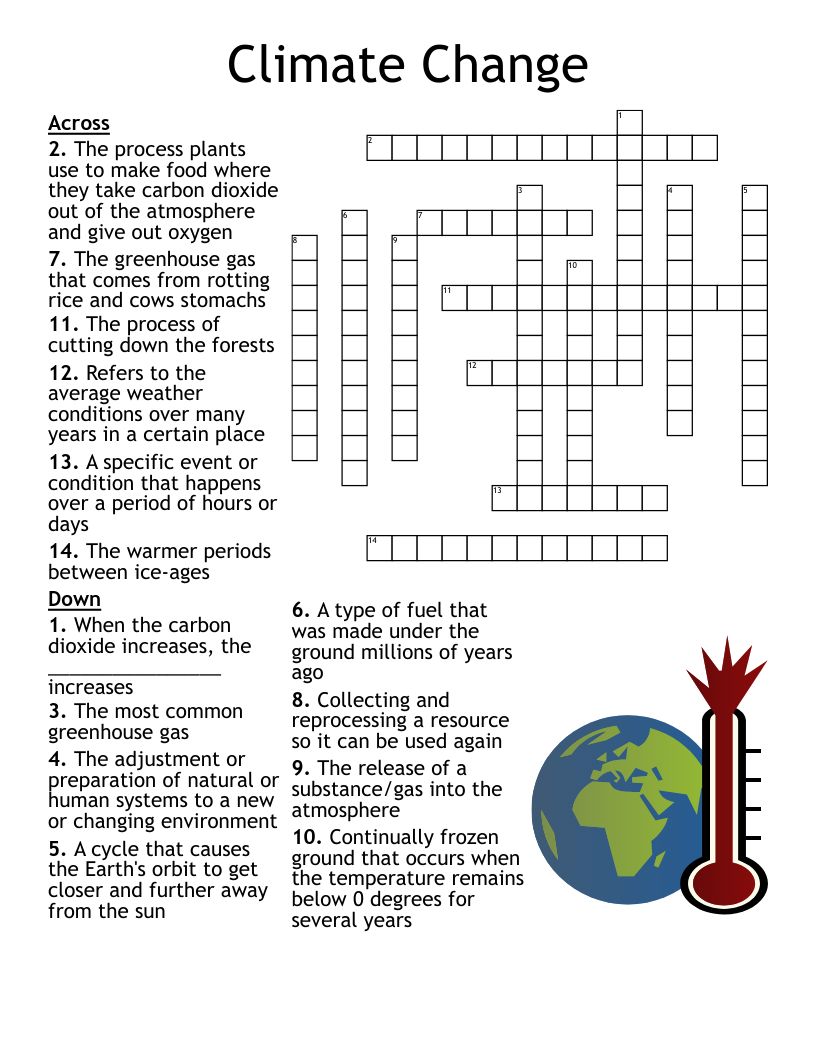
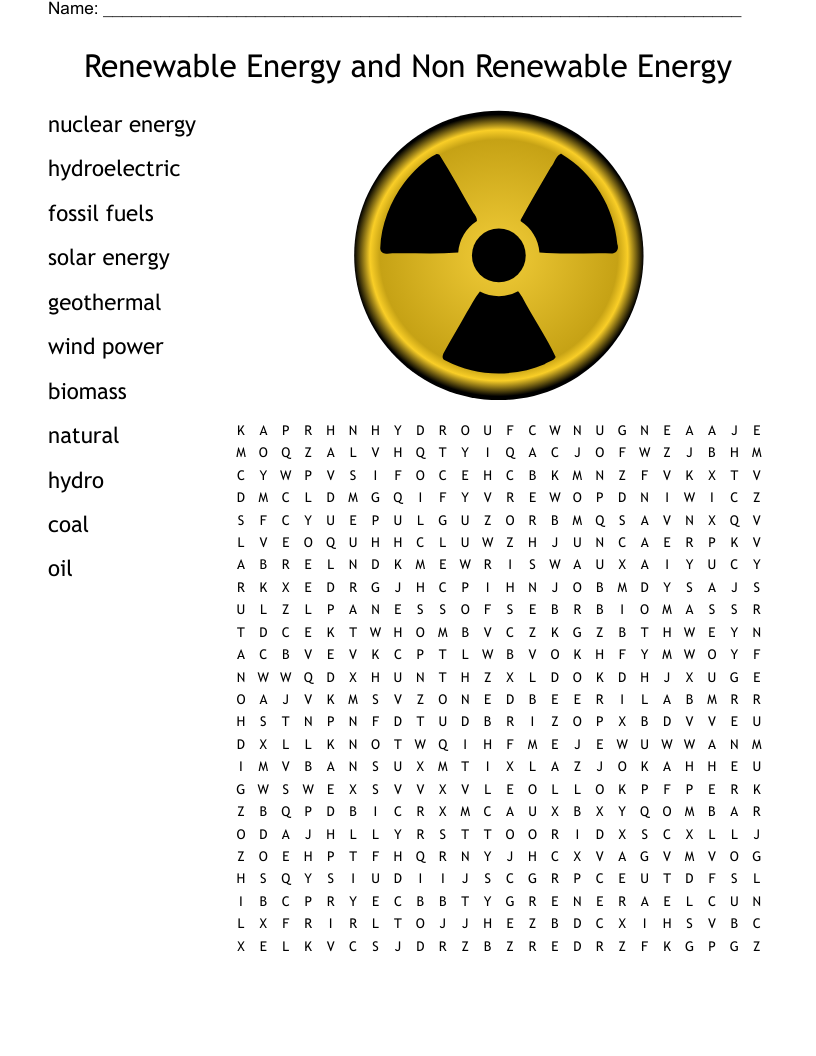
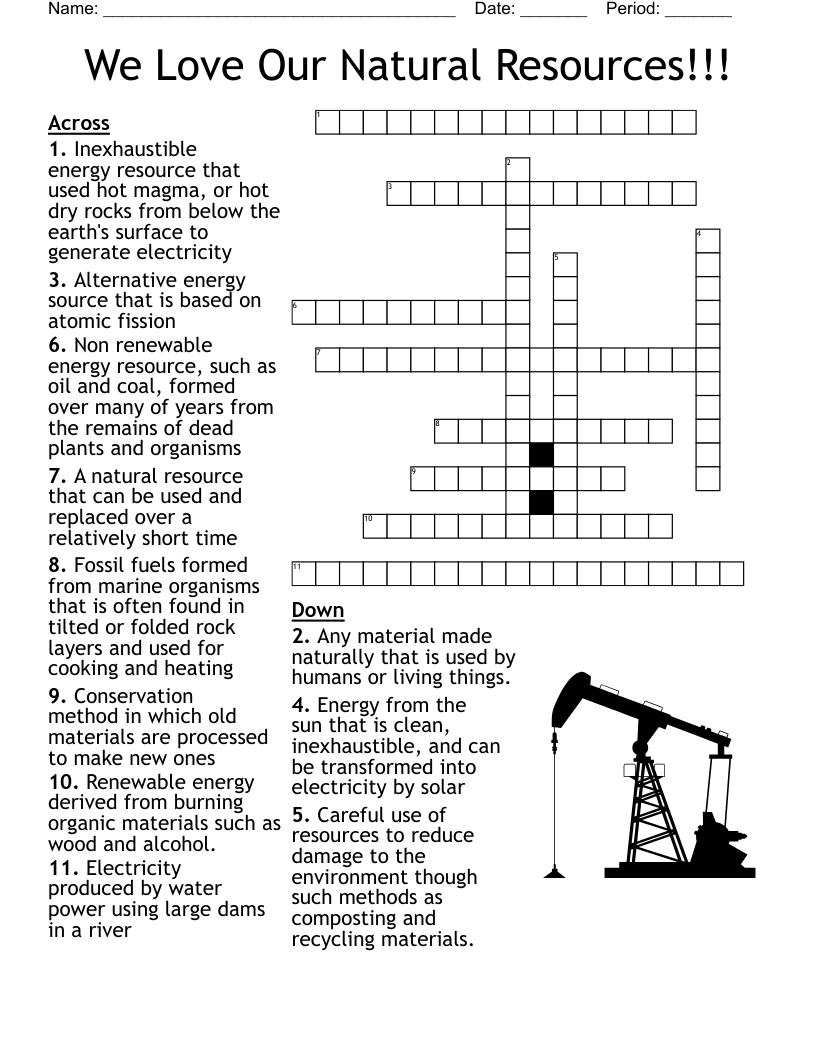
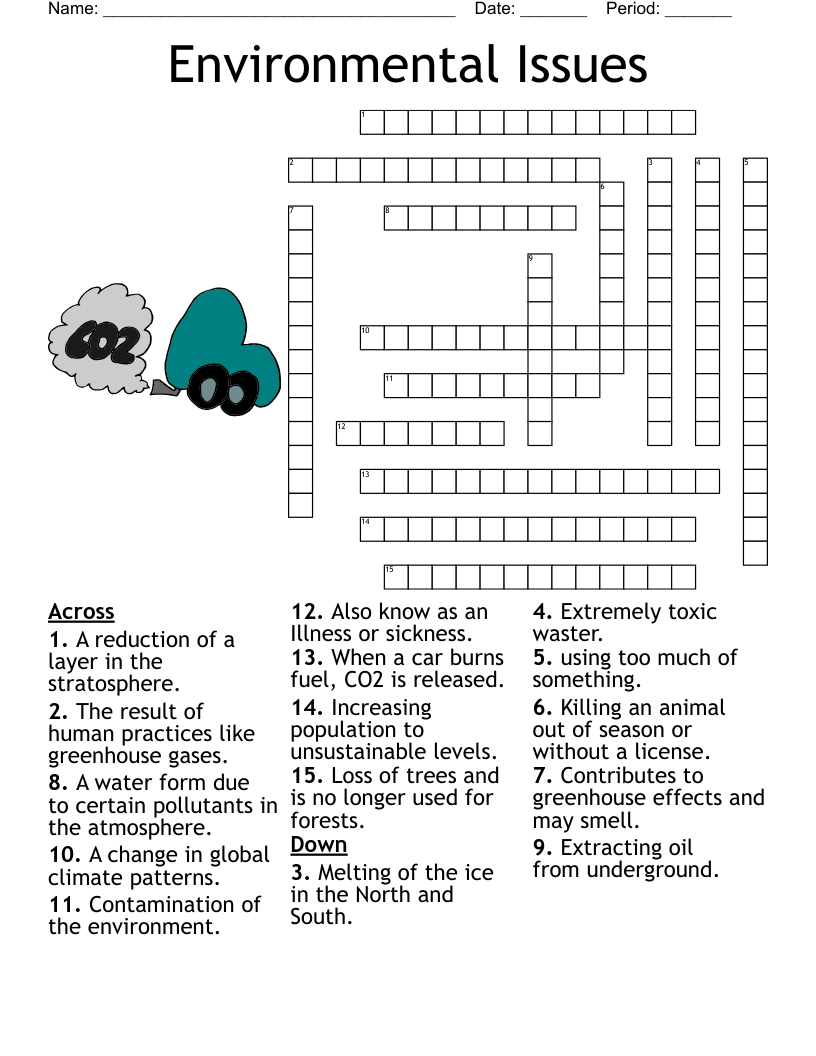
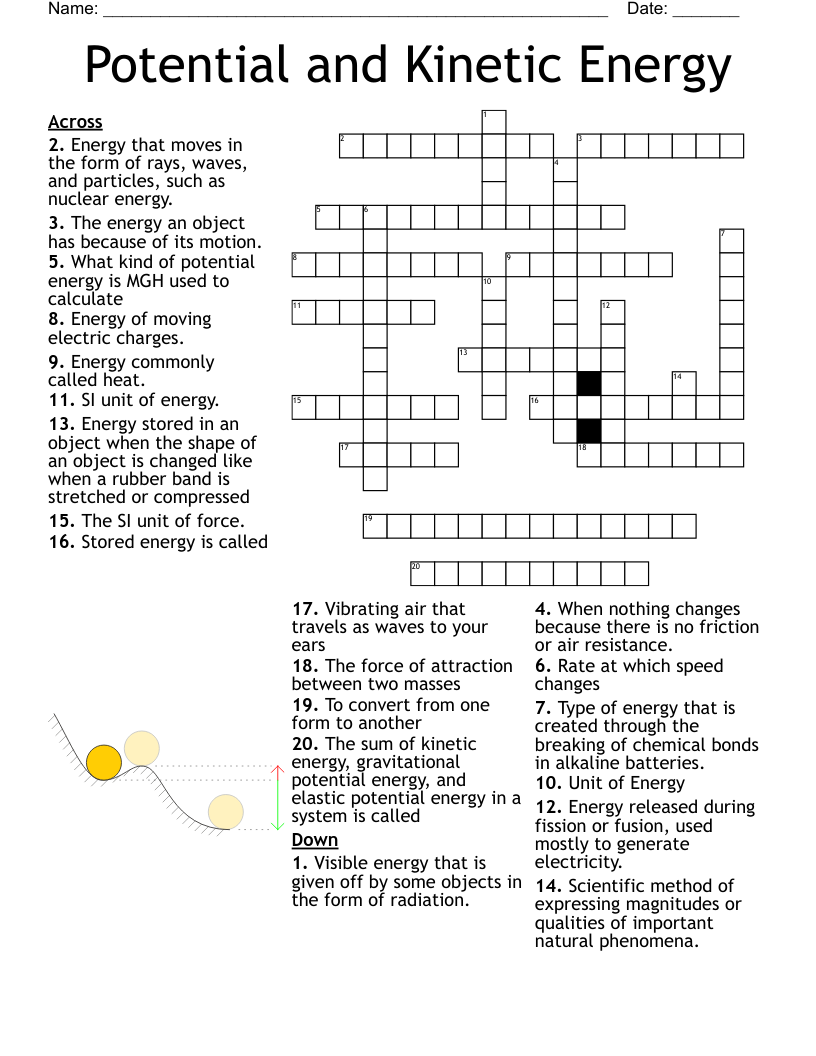
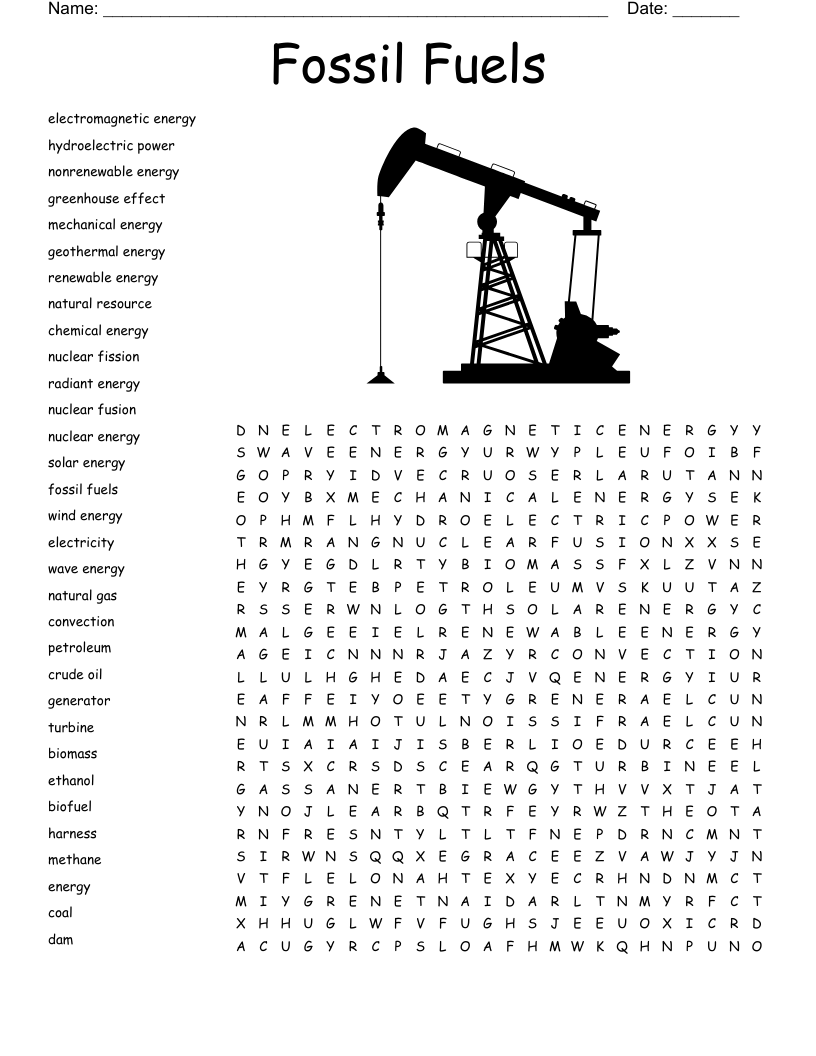
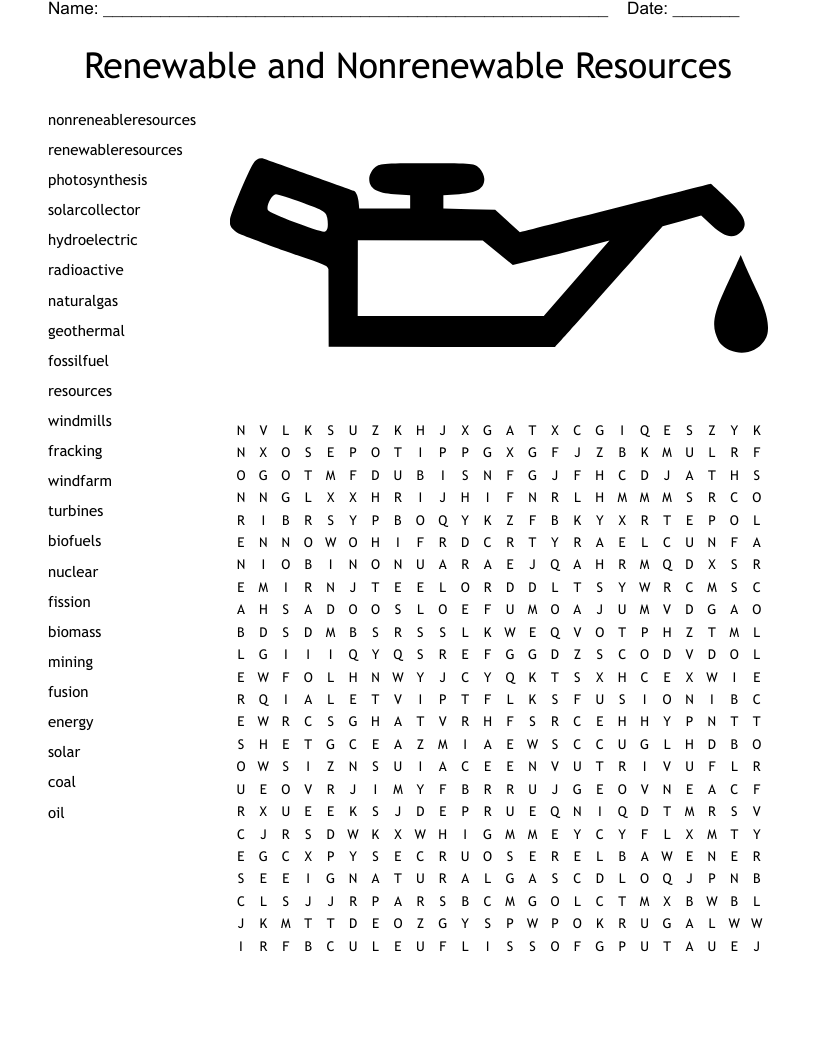
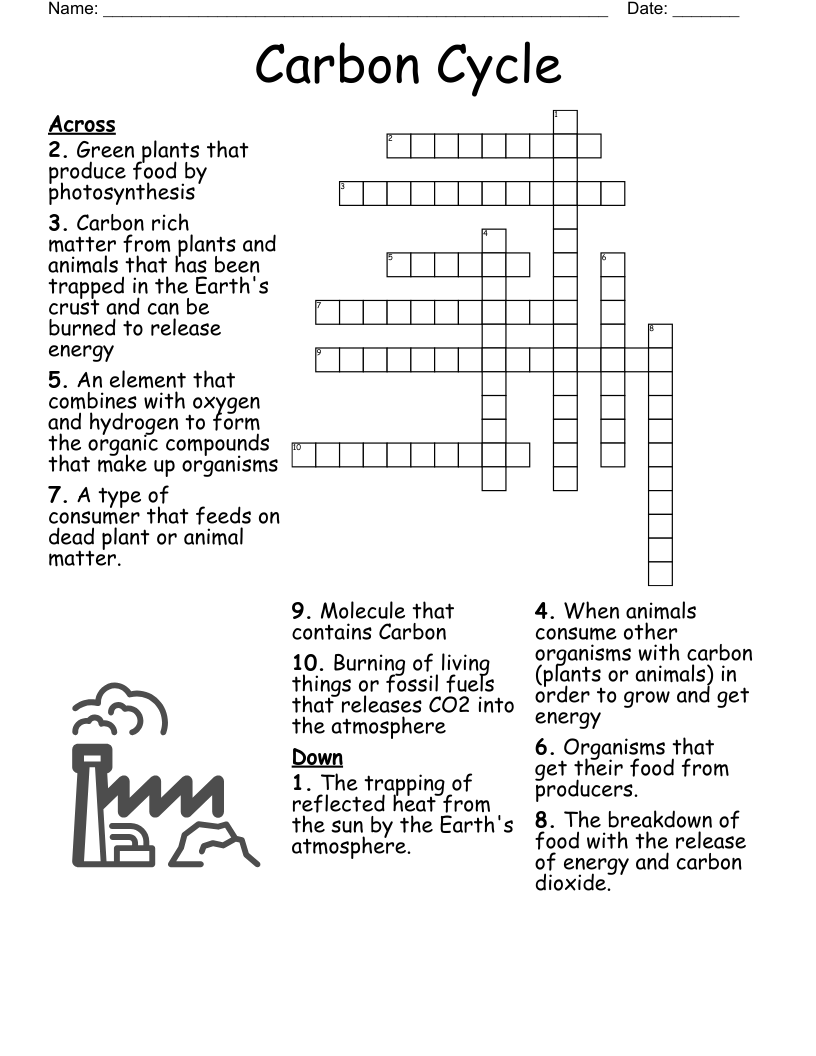
This printable crossword puzzle on the topic of Environmental Science has 30 clues. Answers range from 6 to 20 letters long. This crossword is also available to download as a Microsoft Word document or a PDF.
Description
strength and vitality required for sustained physical or mental activity.
energy that a body possesses by virtue of being in motion.
energy possessed by a body by virtue of its position relative to others, stresses within itself, electric charge, and other factors.
process of burning something.
the goal to reduce the amount of energy required to provide products and services.
energy from a source that is not depleted when used, such as wind or solar power.
resource of economic value that cannot be readily replaced by natural means on a level equal to its consumption.
a form of energy resulting from the existence of charged particles (
mine that is worked from the earth's surface
extraction of minerals and ores from underground.
a liquid mixture of hydrocarbons that is present in certain rock strata and can be extracted and refined to produce fuels including gasoline, kerosene, and diesel oil
relating to or denoting substances obtained by the refining and processing of petroleum or natural gas.
deposit of loose sand or partially consolidated sandstone containing petroleum or other hydrocarbons.
fine-grained sedimentary rock from which oil can be extracted.
methane ice or methane clathrate, consists of methane, which is enclosed in frozen water.
outflow of acidic water from metal mines or coal mines.
the total energy of an isolated system remains constant irrespective of whatever internal changes may take place with energy disappearing in one form reappearing in another.
the energy released during nuclear fission or fusion, especially when used to generate electricity.
nuclear reaction in which a heavy nucleus splits spontaneously or on impact with another particle, with the release of energy.
an apparatus or structure in which fissile material can be made to undergo a controlled, self-sustaining nuclear reaction with the consequent release of energy.
an accident in a nuclear reactor in which the fuel overheats and melts the reactor core or shielding.
radioactive waste material, for example from the use or reprocessing of nuclear fuel.
nuclear reaction in which atomic nuclei of low atomic number fuse to form a heavier nucleus with the release of energy.
biomass is a renewable energy source from living or recently living plant and animal materials which can be used as fuel.
fuel derived directly from living matter.
having power over bodies
heat energy generated and stored in the Earth.
electricity and the earth's thermal energy for a heat
power derived from the energy of falling water or fast running water
is a form of hydropower that converts the energy of tides into useful forms of power – mainly electricity.