Chapter 15 - Managing Communication Part 1 Worksheet
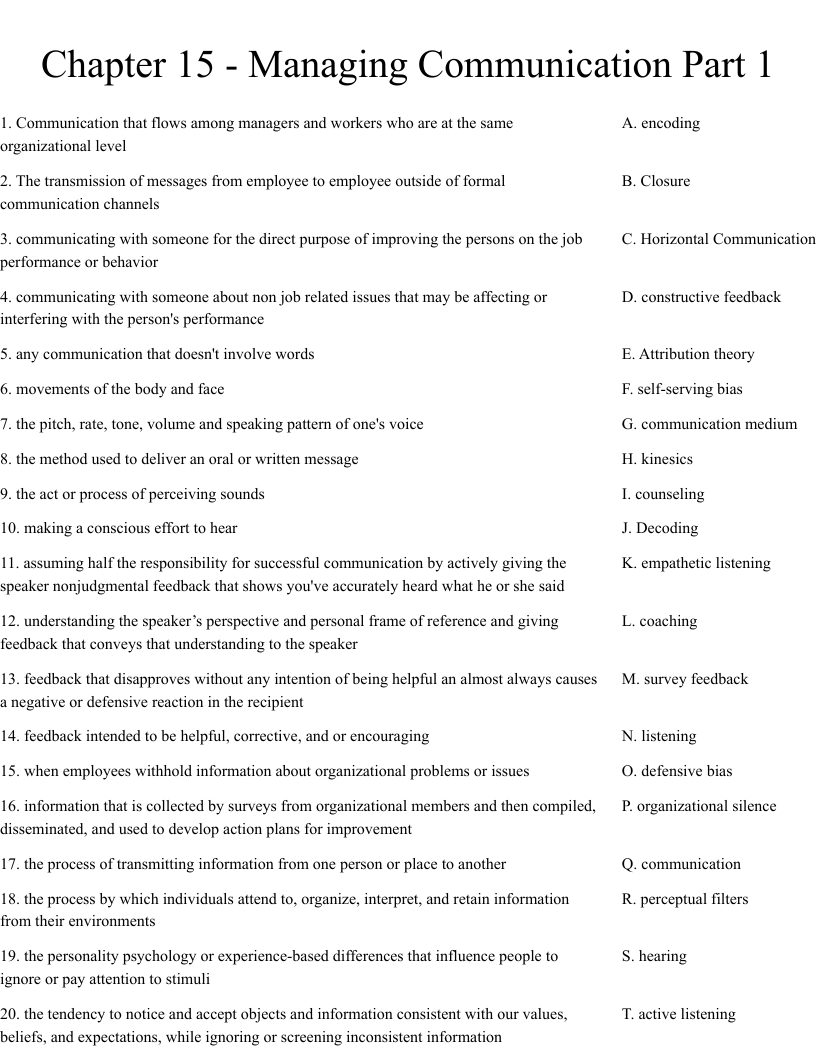
This printable matching worksheet has 26 questions and answers to match. This matching worksheet is also available to download as a Microsoft Word document or a PDF.
Description
Communication that flows among managers and workers who are at the same organizational level
The transmission of messages from employee to employee outside of formal communication channels
communicating with someone for the direct purpose of improving the persons on the job performance or behavior
communicating with someone about non job related issues that may be affecting or interfering with the person's performance
any communication that doesn't involve words
movements of the body and face
the pitch, rate, tone, volume and speaking pattern of one's voice
the method used to deliver an oral or written message
the act or process of perceiving sounds
making a conscious effort to hear
assuming half the responsibility for successful communication by actively giving the speaker nonjudgmental feedback that shows you've accurately heard what he or she said
understanding the speaker’s perspective and personal frame of reference and giving feedback that conveys that understanding to the speaker
feedback that disapproves without any intention of being helpful an almost always causes a negative or defensive reaction in the recipient
feedback intended to be helpful, corrective, and or encouraging
when employees withhold information about organizational problems or issues
information that is collected by surveys from organizational members and then compiled, disseminated, and used to develop action plans for improvement
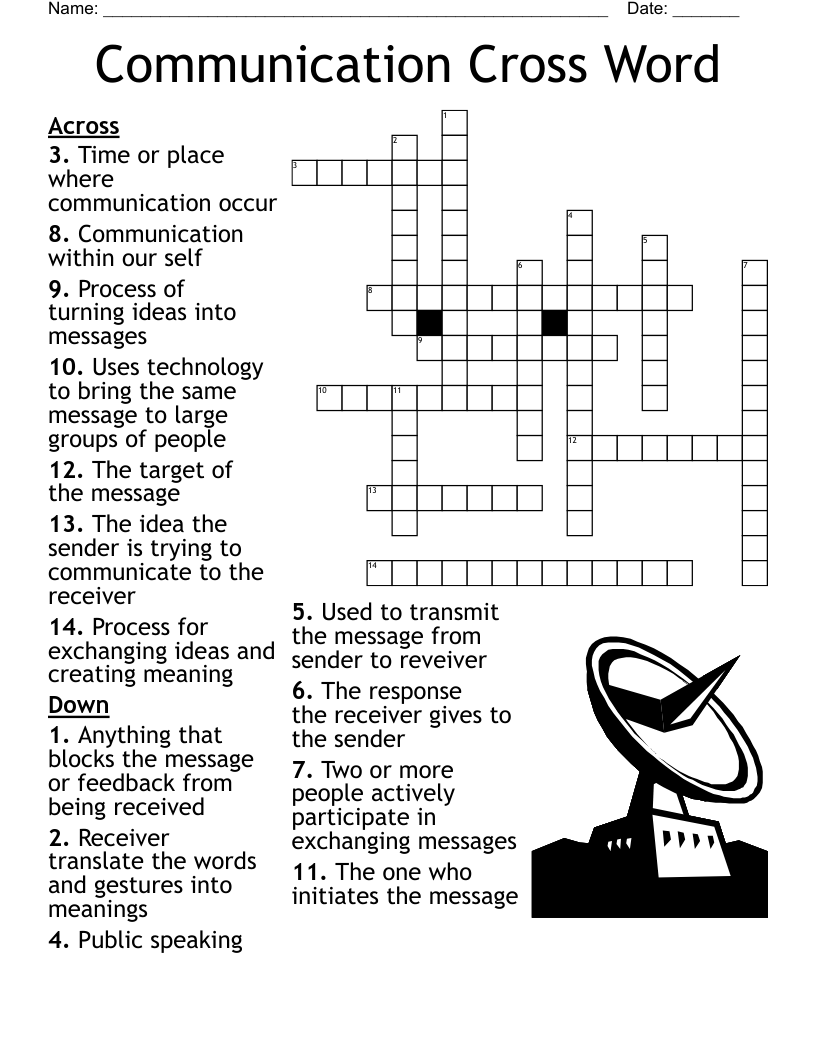
the process of transmitting information from one person or place to another
the process by which individuals attend to, organize, interpret, and retain information from their environments
the personality psychology or experience-based differences that influence people to ignore or pay attention to stimuli
the tendency to notice and accept objects and information consistent with our values, beliefs, and expectations, while ignoring or screening inconsistent information
the tendency to fill in gaps of missing information by assuming what we don't know is consistent with what we already know
the theory that we all have a basic need to understand and explain the causes of people's behavior
the tendency for people to perceive themselves as personally and situationally like someone who is having difficulty or trouble
the tendency to overestimate our value by attributing successes to ourselves and attributing failures to others or the environment
putting a message into a written, verbal, or symbolic form that can be recognized and understood by the receiver
the process by which the receiver translates written or verbal message into a understood message