Medical Terminology Worksheet
This printable matching worksheet on the topic of Medical Terminology has 11 questions and answers to match. This matching worksheet is also available to download as a Microsoft Word document or a PDF.
Description
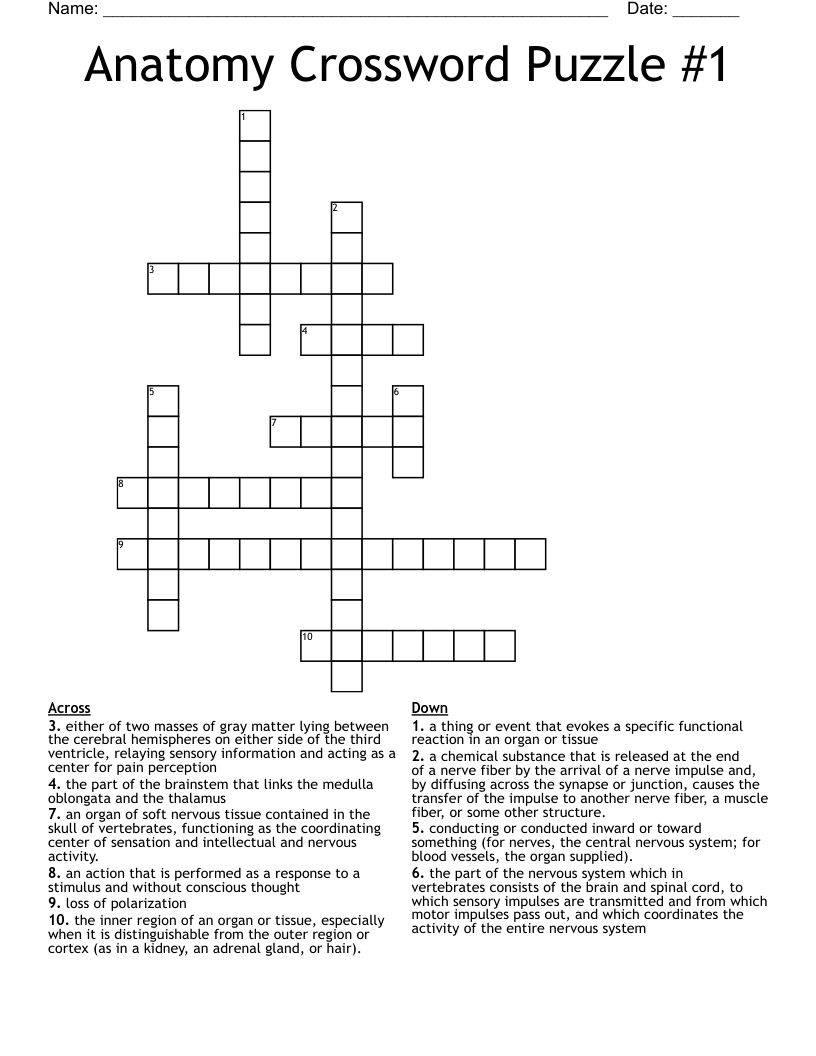
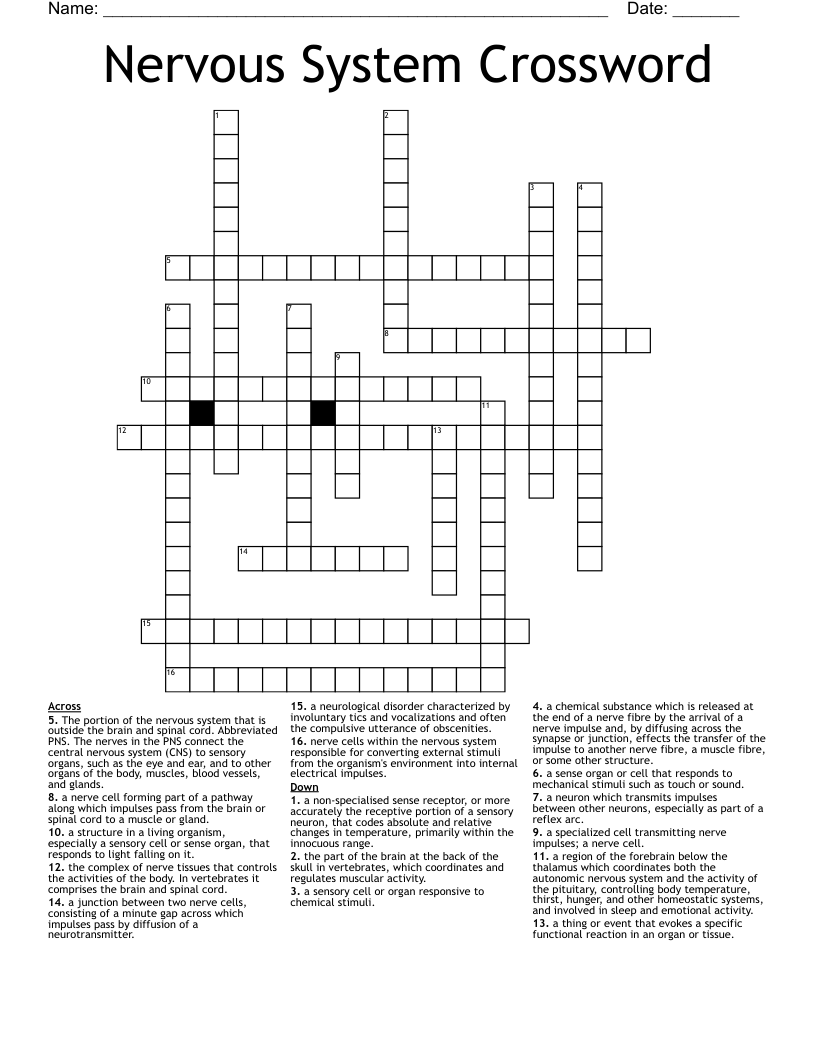
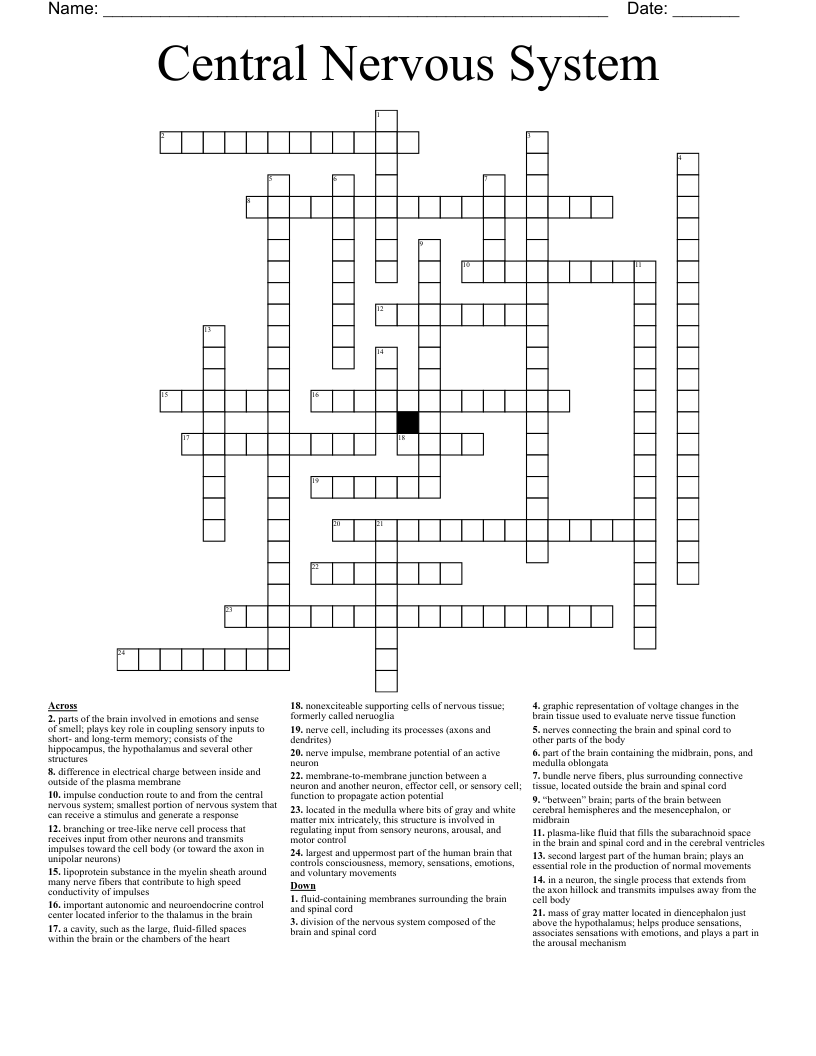
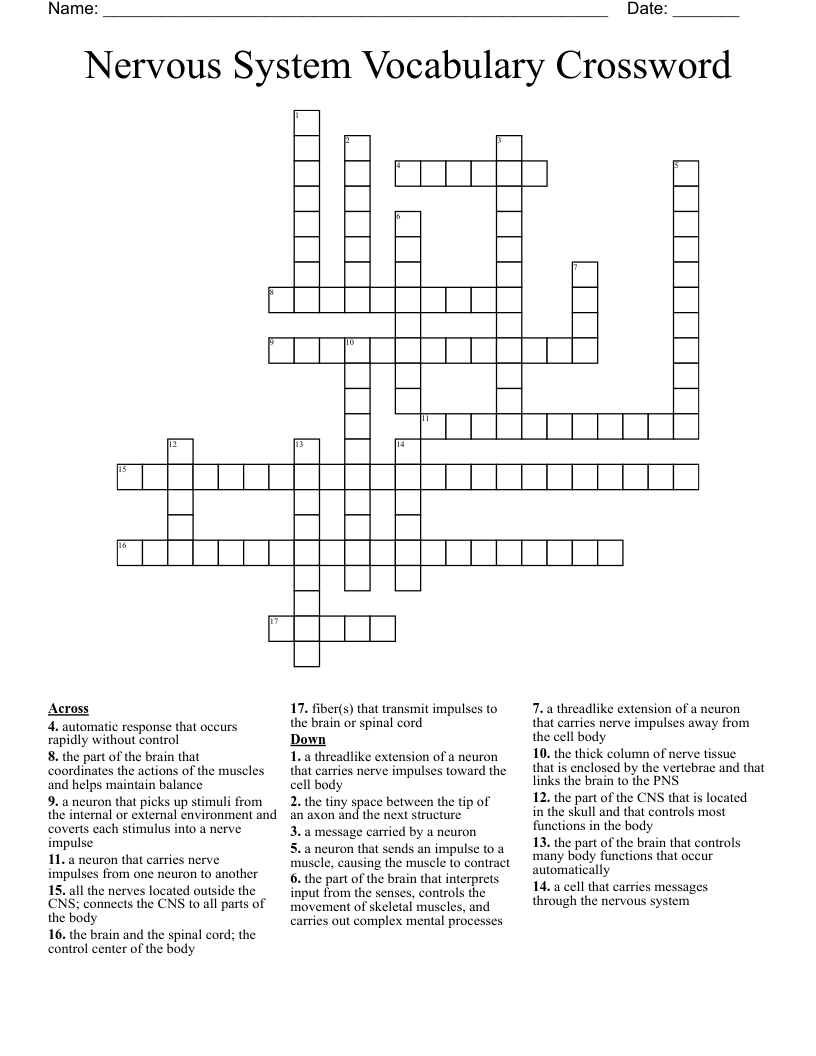
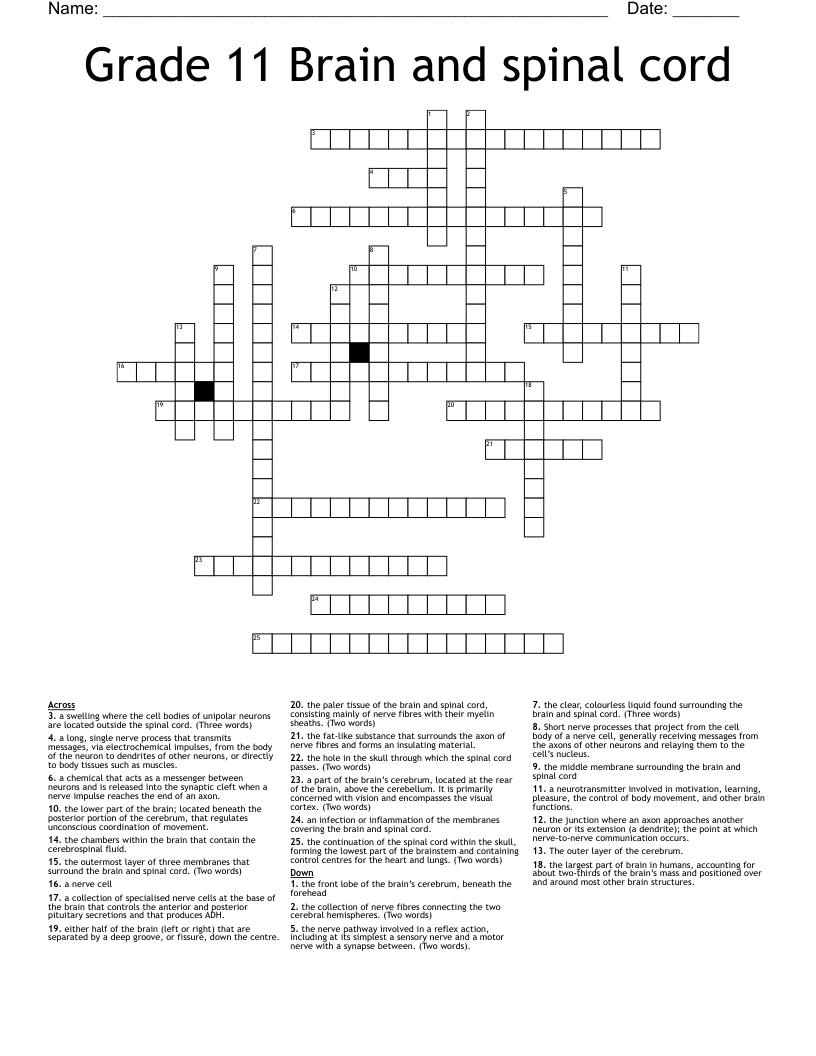
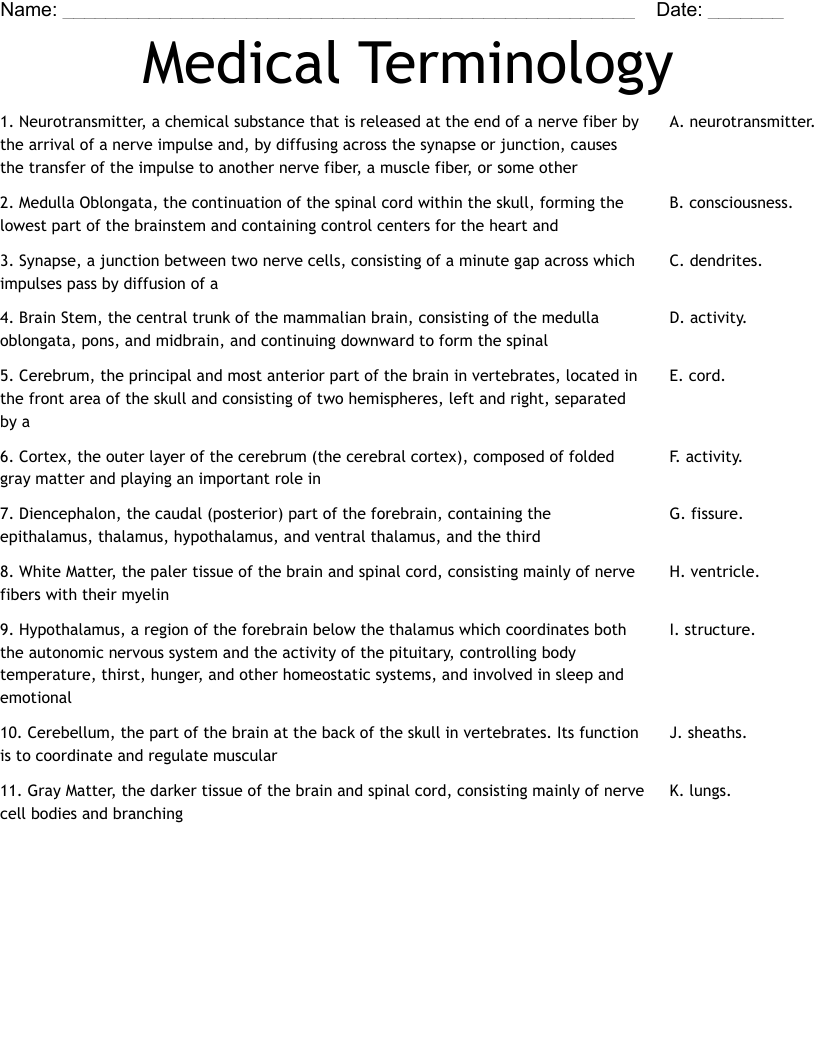
Neurotransmitter, a chemical substance that is released at the end of a nerve fiber by the arrival of a nerve impulse and, by diffusing across the synapse or junction, causes the transfer of the impulse to another nerve fiber, a muscle fiber, or some other
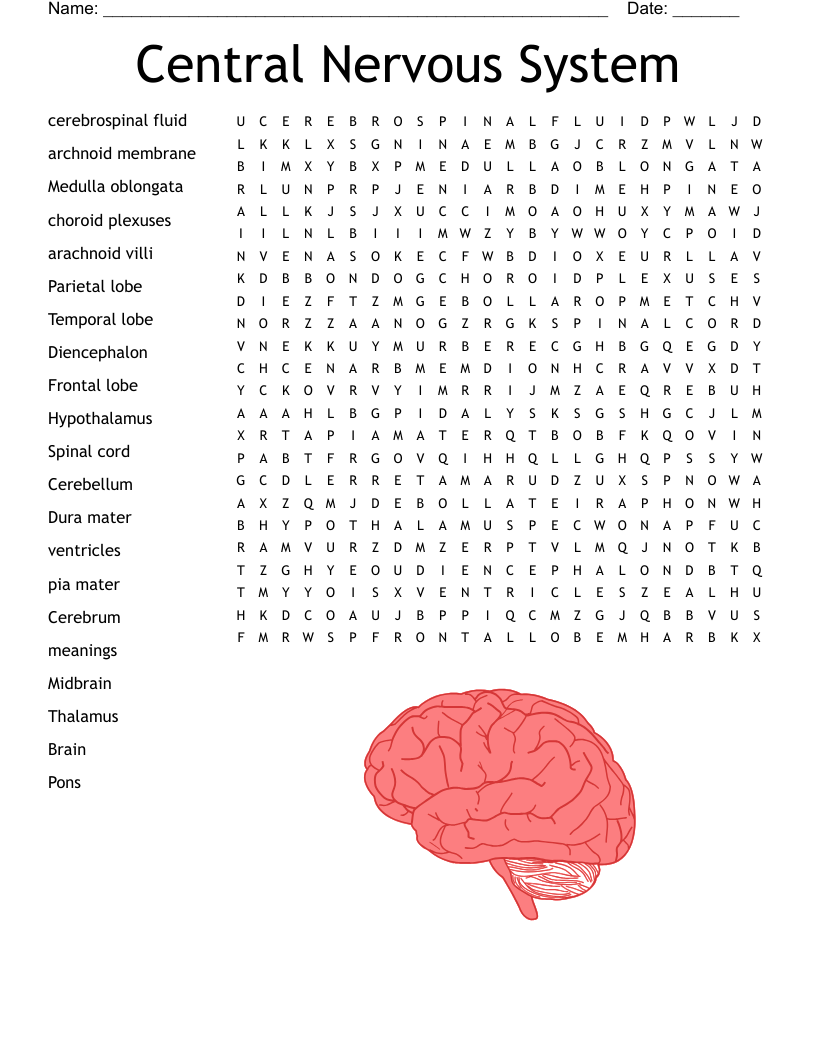
Medulla Oblongata, the continuation of the spinal cord within the skull, forming the lowest part of the brainstem and containing control centers for the heart and
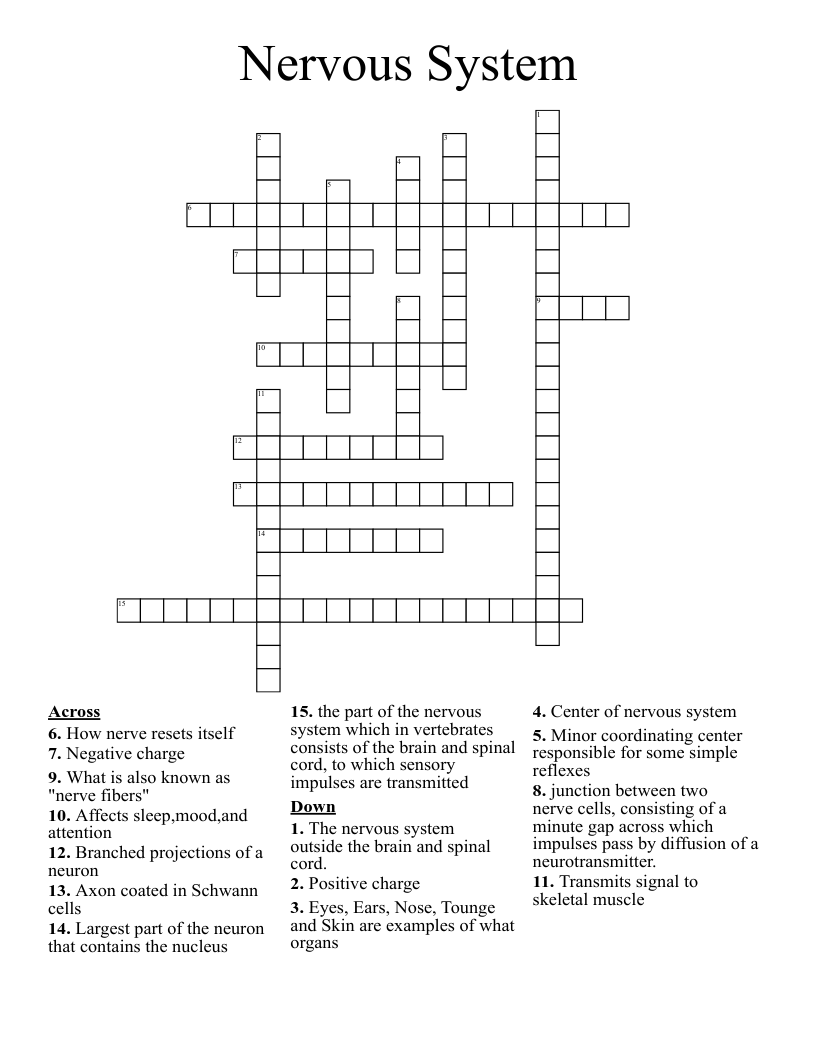
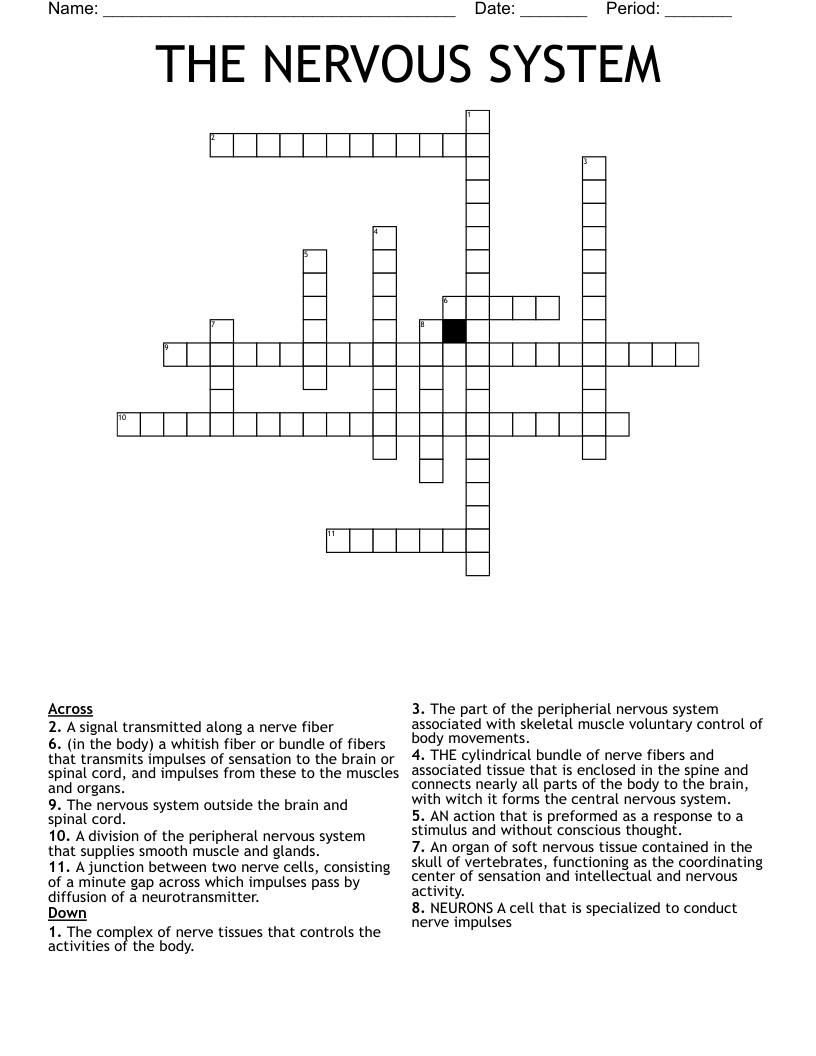
Synapse, a junction between two nerve cells, consisting of a minute gap across which impulses pass by diffusion of a
Brain Stem, the central trunk of the mammalian brain, consisting of the medulla oblongata, pons, and midbrain, and continuing downward to form the spinal
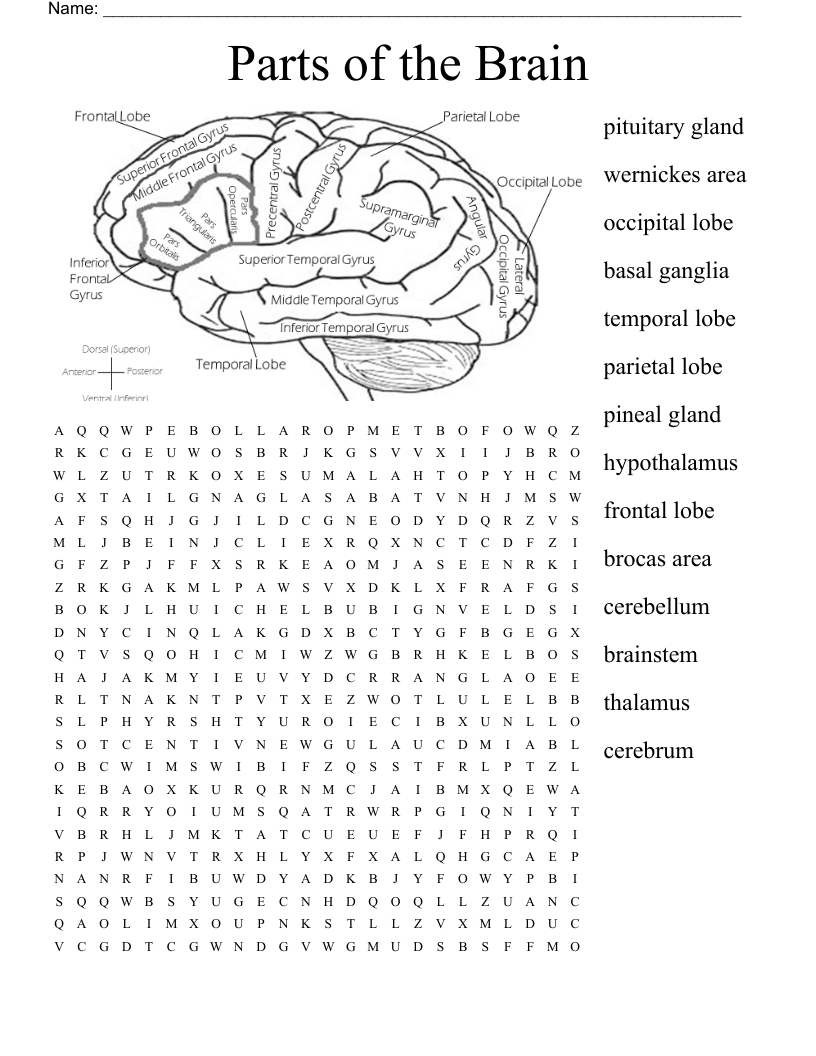
Cerebrum, the principal and most anterior part of the brain in vertebrates, located in the front area of the skull and consisting of two hemispheres, left and right, separated by a
Cortex, the outer layer of the cerebrum (the cerebral cortex), composed of folded gray matter and playing an important role in
Diencephalon, the caudal (posterior) part of the forebrain, containing the epithalamus, thalamus, hypothalamus, and ventral thalamus, and the third
White Matter, the paler tissue of the brain and spinal cord, consisting mainly of nerve fibers with their myelin
Hypothalamus, a region of the forebrain below the thalamus which coordinates both the autonomic nervous system and the activity of the pituitary, controlling body temperature, thirst, hunger, and other homeostatic systems, and involved in sleep and emotional
Cerebellum, the part of the brain at the back of the skull in vertebrates. Its function is to coordinate and regulate muscular
Gray Matter, the darker tissue of the brain and spinal cord, consisting mainly of nerve cell bodies and branching